
Condensation Control: Keeping Homes and Cars Clear Through the Colder Months
Why condensation appears and steady ways to prevent it
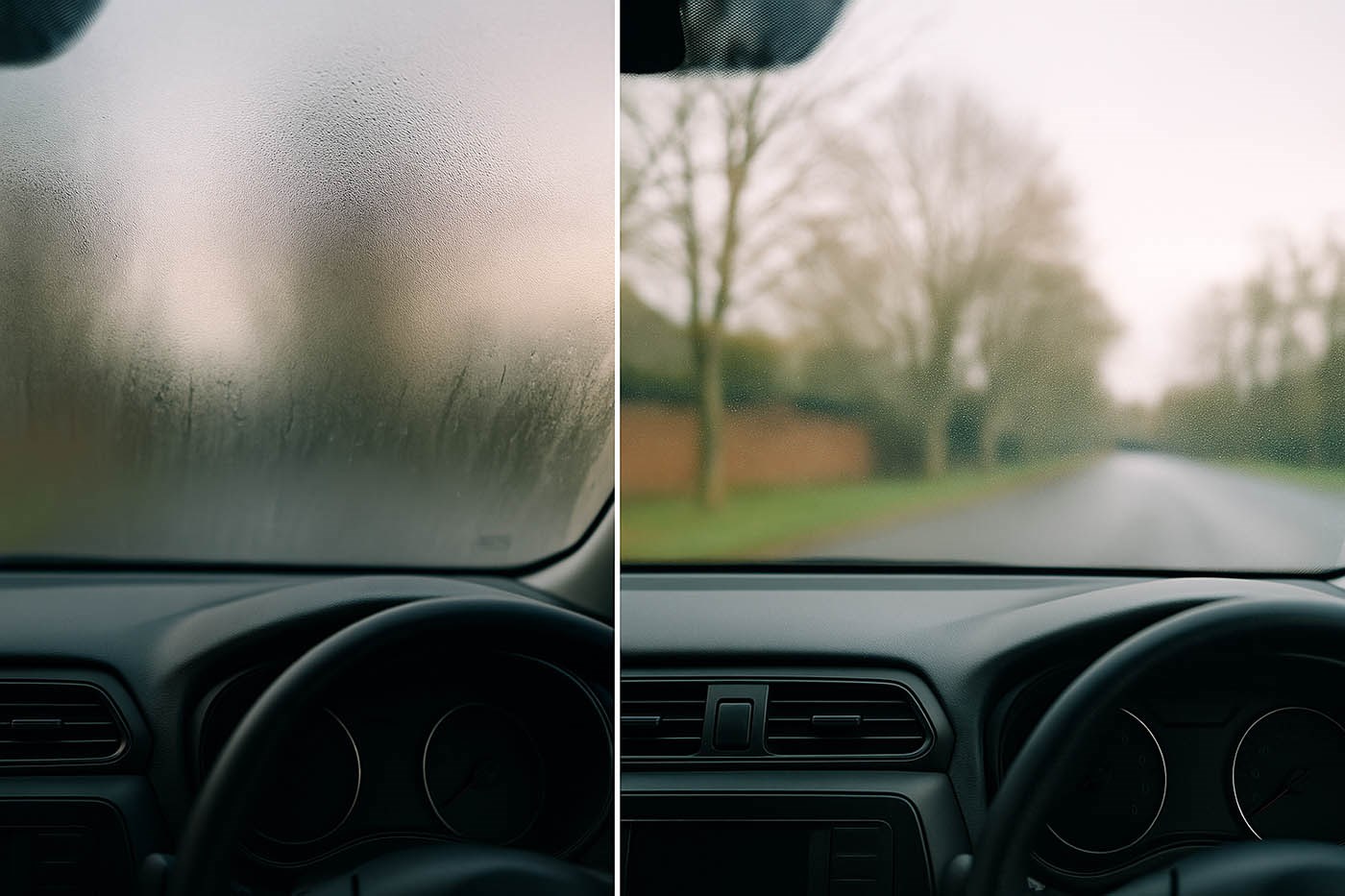
As winter settles in, windows mist, mirrors fog and cold surfaces attract droplets. Condensation is common, yet it can quietly create problems if allowed to linger. Understanding the cause helps keep living spaces and vehicles healthier and clearer.
Understanding the link between condensation and mould
Mould thrives in damp areas where condensation settles frequently. It affects indoor air comfort, produces an unpleasant smell and can mark surfaces permanently. Keeping moisture under control helps prevent these issues developing.
What makes condensation form?
Warm indoor air meets a cooler surface and turns into droplets. Winter provides the perfect conditions, as heating warms the air while walls, windows and windscreens remain cold.
Common household contributors include:
Cooking steam
Hot showers
Indoor laundry drying
Low ventilation
In vehicles, condensation is often caused by:
Breath from passengers
Damp jackets, pets or footwear
Temperature changes
Minor leaks or blocked vents
Reducing condensation around the home
Try to maintain a steady indoor temperature instead of switching heating on and off. Stable warmth reduces the amount of moisture that settles.
Ventilation helps move moist air outside. Use extractor fans during showers or cooking, and open trickle vents throughout the day. Opening a window briefly after producing steam is a simple way to let the moisture escape.
Reducing moisture at its source makes a noticeable difference. Dry clothes outside when conditions allow or use a vented dryer. Keep lids on pans and avoid leaving damp towels around the home.
Tools such as dehumidifiers, moisture traps or window film provide additional support. Regularly wiping moisture from windows prevents mould developing on sills and frames.
Keeping your vehicle clear and safe
Vehicles trap warm, humid air easily. Running the blower or air-conditioning clears the windows quickly and helps maintain airflow.
Take out damp items after driving. Anything wet will continue to release moisture inside the cabin, often overnight.
Inspect seals around doors, boots and sunroofs to ensure they are watertight. Minor leaks can create ongoing dampness. A few moisture-absorbing pads placed around the vehicle help overnight drying.
Never set off with fogged windows. Clear visibility is essential and any incident caused by poor visibility may affect claim outcomes.
Why steady moisture control matters
Excess moisture can influence air quality, damage surfaces or encourage mould. In vehicles, it contributes to impaired vision, which increases risk on the road.
Simple habits such as steady heating, good ventilation and removing damp items make a notable difference. Over winter, these steps help keep both homes and vehicles more pleasant and safe.


