
Health and licensing: the link every motorist should know
DVLA Medical Condition Rules
DVLA – Understanding Medical Fitness to Drive & Your Responsibilities as a Motorist
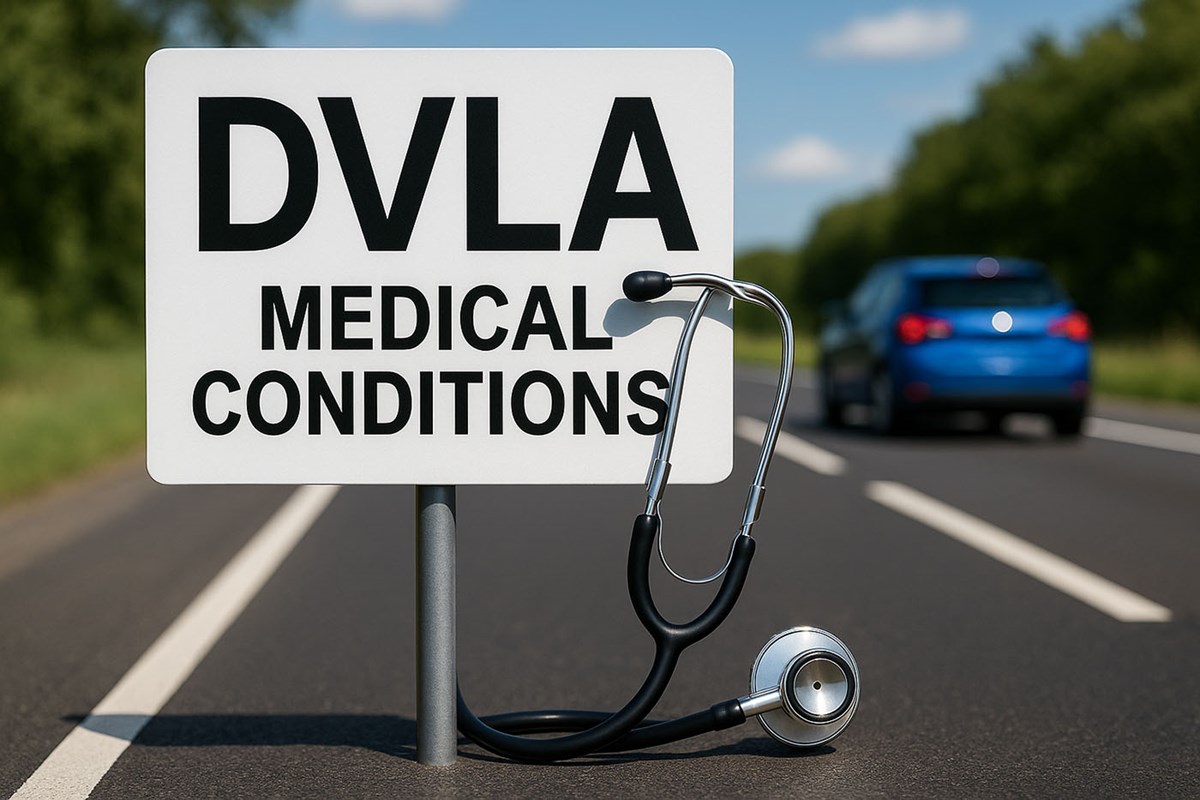
Driving plays a central role in everyday life. Whether travelling to work, visiting family, transporting children, or managing daily tasks, the ability to drive brings autonomy and flexibility. For individuals managing long-term health conditions or recovering from illness, maintaining that independence can feel especially important.
At the same time, road safety sits at the heart of the UK motoring system. The DVLA oversees driver licensing to ensure that all road users remain medically safe to drive. This responsibility applies equally to new licence applicants and to longstanding drivers whose health may change over time.
Many people continue to drive successfully after reporting a medical condition. The notification process exists not to remove independence, but to ensure that driving remains safe, supported, and lawful.
This guide explains your obligations, how the DVLA evaluates medical fitness, what insurers require, and practical advice to help you manage health and driving with confidence.
When you must notify the DVLA
The law expects drivers to report medical changes that could influence driving ability. This duty applies whether you hold a full licence, provisional licence, or are renewing.
The principle is simple:
Tell the DVLA if you develop a condition that affects safe driving, or if an existing condition changes in a way that may affect your driving.
Reporting early shows responsibility and ensures support is available when you need it.
Some of the most common notifiable medical conditions include:
Diabetes treated with insulin
Sleep apnoea and other sleep-related conditions that cause daytime tiredness
Epilepsy
Fainting episodes or loss of consciousness
Heart conditions, including arrhythmias and pacemakers
Heart failure or recent cardiac events
Stroke or transient ischaemic attack (TIA)
Serious eye problems such as glaucoma affecting vision or advanced cataracts
Mental health conditions where symptoms impair awareness, focus, or stability
There are many others, including neurological illnesses, conditions affecting muscle control, and disorders affecting alertness. If in doubt, speak to a GP or specialist for guidance. You can check the official list and report changes here: https://www.gov.uk/driving-medical-conditions
What happens after you tell the DVLA
Once you notify the DVLA, an assessment begins. The purpose is not to remove drivers from the road without cause. Instead, the DVLA evaluates medical evidence, condition stability and medication effects before making a decision.
When you report a condition, DVLA may:
Request information from your GP or specialist
Ask you to complete a medical questionnaire
Require an examination or eyesight check
Arrange a practical driving assessment if necessary
Some drivers are given a short-term licence lasting one, two, or three years. This simply means the DVLA reviews medical fitness periodically, offering reassurance to the driver and supporting road safety.
Many individuals continue driving throughout this process, depending on advice from their doctor and DVLA rules.
The goal is to support continued driving where it remains safe. Many people who disclose conditions retain their licence or receive a renewable time-limited licence. The system is designed to balance independence with safety.
Legal and insurance consequences for not reporting
Failing to notify the DVLA about a relevant condition can result in a fine up to £1,000 and potential prosecution should you be involved in an accident
Health disclosure also applies to vehicle insurance. Insurers need accurate information to provide appropriate protection. When a medical condition affects driving ability, failing to update your insurer may lead to claims being declined and personal liability for damage costs.
How to stay safe and confident when driving with a medical condition
Healthy driving habits support both safety and long-term confidence. Consider maintaining:
Regular medical reviews to monitor stability
Medication routines as prescribed
Good rest before journeys, especially with conditions affecting alertness
Eye tests at recommended intervals
Breaks on long trips
Awareness of symptom changes
These habits offer reassurance that you are always road-ready. They also demonstrate a responsible approach should DVLA or NHS clinicians ever review your case.
Temporary health changes — acting sensibly
Not all circumstances are permanent. After surgery, acute illness or a major medical event, a short pause in driving might be the safest choice.
Common examples include:
Recovery after general anaesthetic
Temporary vision disruption
Adjusting to new medication
Short-term mobility impairment
Taking a break prevents risk and supports recovery. Once cleared by a clinician, most drivers resume without difficulty.
Medication and driving safety
Some medication may affect alertness, reaction time, vision or coordination. Side effects vary between individuals. For that reason, reviewing the information leaflet and asking a GP or pharmacist if you have concerns is sensible.
If you feel unsteady, unusually tired, or mentally “foggy”, it is best to avoid driving until symptoms clear. Awareness and caution prevent both accidents and legal complications.
Vision standards and mobility
Clear sight is essential for safe driving. UK law sets minimum eyesight rules, including reading a number plate at a set distance. Regular checks help maintain compliance and catch early changes.
Eye health issues such as cataracts or glaucoma are common as people age. Many are treatable, and early intervention supports continued safe driving.
Vision tests help safeguard both independence and road safety — they are a valuable routine, not a barrier.
Vehicles and adaptations for supported driving
Modern vehicles offer increasing levels of assistance, such as automatic gearboxes, parking sensors, lane-support features and adaptive cruise control. These innovations allow many people to continue driving comfortably and safely.
For individuals who require physical adjustments, mobility centres and specialised installers offer equipment including:
Steering aids
Pedal adaptations
Seat adjustments
Hand controls
These solutions make driving accessible for many with physical challenges. A health change does not always mean giving up driving — it may simply mean using supportive technology.
Health and driving go hand-in-hand. The DVLA’s medical reporting system is built to protect safe drivers, not restrict them unnecessarily. Many motorists continue to drive confidently with well-managed conditions and routine medical support.


