
Are Driverless Cars the Risk? Or Is Human Error the Bigger Problem?
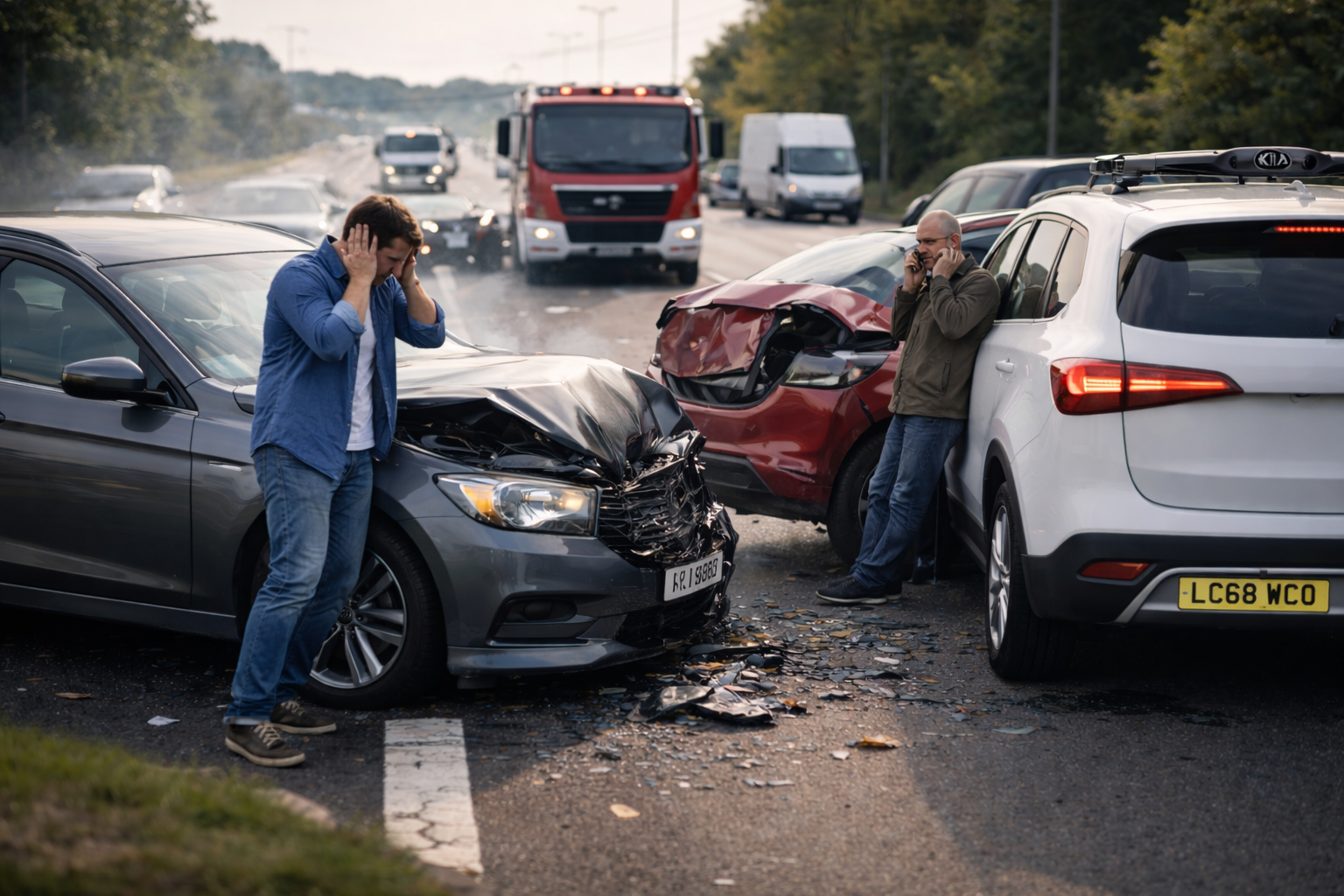
The Human Causes Behind Most Road Collisions
As vehicle technology advances and assisted driving systems become more common, many drivers question whether automated systems can really be trusted. Yet accident statistics suggest a different perspective: the most consistent risk on UK roads isn’t technology, it’s human behaviour.
Across decades of road safety analysis, researchers have found that collisions overwhelmingly stem from driver decision-making rather than mechanical failure.
The Scale of Human-Related Accidents
Studies conducted by international transport safety bodies indicate that approximately nine out of ten accidents involve driver error. This includes mistakes in judgement, delayed reactions and failures to observe hazards in time.
While autonomous systems are still evolving, they benefit from consistency. Computers don’t become tired, emotionally reactive or distracted — all factors that frequently undermine human driving performance.
Behavioural Patterns Linked to Collisions
Road safety research highlights four recurring human factors:
Over-confidence: Familiar journeys often encourage reduced vigilance, increasing the likelihood of missing emerging hazards.
Distraction: In-car technology, mobile devices and passenger interactions divert attention at critical moments.
Tiredness: Fatigue reduces reaction speed and concentration, significantly raising accident risk during long or late journeys.
Emotional Driving: Stress and frustration can lead to aggressive manoeuvres and unsafe speed choices.
Practical Risks Drivers Still Control
Despite growing technology, many accident causes remain preventable today. UK collision data frequently references:
Inadequate observation at junctions
Speed inappropriate for road or weather conditions
Impaired judgement due to substances or medication
Loss of control caused by panic responses
Modern driver-assistance features aim to support safer decisions, but awareness and responsibility remain essential.
Why This Matters for Drivers and Insurers
Understanding why accidents happen helps drivers reduce risk and helps insurers assess safety realistically. As driving technology develops, insurers must balance innovation with established human risk patterns.
At Peter Best Insurance, we continue to adapt cover options to reflect how vehicles are used — and how safety is evolving — while supporting drivers with clear, informed protection.


