
Practical Advice for Winter Driving
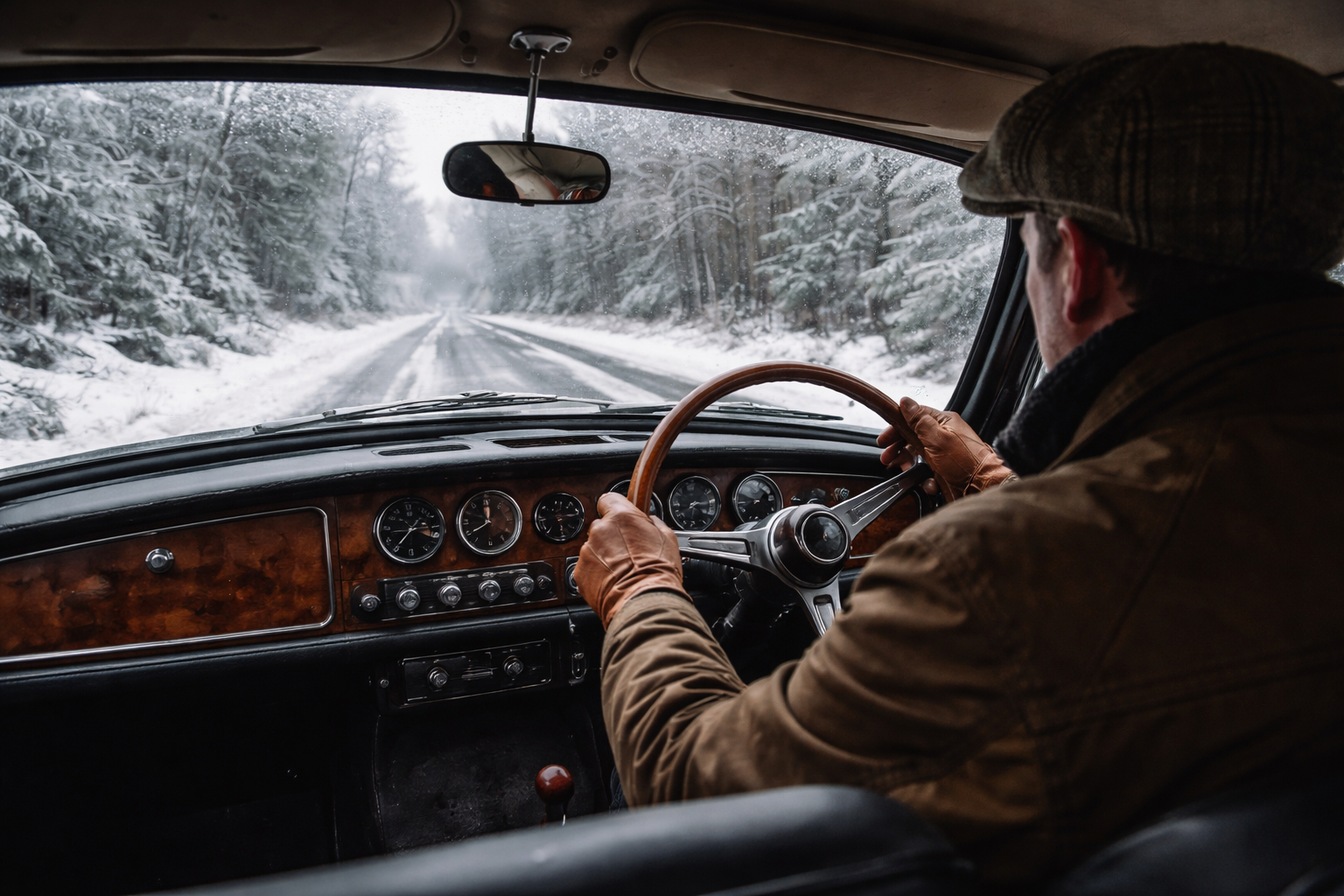
Cold Weather Isn’t Over Yet…
By the time January reaches its final weeks, it’s easy to assume the worst of winter is behind us. The days slowly lengthen, and it can feel as though the season is beginning to loosen its grip.
In reality, some of the harshest and most disruptive conditions often arrive late January and continue well into February — sometimes even stretching into March. Sudden freezes, overnight ice, heavy rain, strong winds and short bursts of snow are all typical during this period.
After months of freezing and thawing, road surfaces are already worn down. Visibility remains limited for much of the day, and dark mornings and evenings can reduce concentration and reaction times. This is often the stage in winter where complacency becomes a genuine danger.
Start With Preparation
Safe winter driving begins before you even set off. At this time of year, visibility and vehicle control remain the key foundations of safer travel.
Windscreen washer systems should be filled with proper screen wash designed for low temperatures, rather than water. Frozen washer jets or a smeared windscreen can quickly turn an ordinary journey into a stressful and hazardous one.
Wiper blades that just about managed through autumn may struggle once winter grime and salt build up. Similarly, dirty headlights and obscured number plates can reduce visibility far more than many motorists realise.
Tyres also deserve continued attention long after the first frost. Cold temperatures naturally lower tyre pressure, and worn tread significantly increases stopping distances on wet or icy roads. Even at low speeds, grip can disappear quickly, especially on untreated side roads or rural routes.
Adjust Your Driving to the Conditions
Winter weather brings a variety of hazards, and the safest drivers are those who adapt their approach rather than relying on confidence or routine.
Snow and Ice
In icy or snowy conditions, gentle control inputs make all the difference. Smooth acceleration, careful steering, and longer braking distances help keep the vehicle stable.
Black ice remains one of the most serious dangers because it is often invisible. It can form even when temperatures feel only slightly cold, particularly on bridges, shaded stretches of road and early-morning routes.
Heavy Rain
With persistent rain, the risks shift towards aquaplaning and poor visibility. Standing water can accumulate rapidly, especially where road surfaces are already damaged.
Reducing speed, keeping steering movements smooth, and increasing the distance between you and the vehicle ahead can help lower the risk of losing control.
Strong Winds
In high winds, stability becomes the main concern. Sudden gusts can push vehicles sideways, particularly when overtaking large lorries or travelling on exposed roads.
Extra awareness is needed around trees, flying debris, and cyclists, who may be affected even more severely by gusty conditions.
Plan for the Unexpected
Winter readiness also means considering what happens if your journey doesn’t go to plan.
A few basic items in your vehicle can make a major difference if you break down or become stranded:
Warm clothing
A torch
A fully charged mobile phone
De-icer and an ice scraper
A blanket for longer delays
A blanket may seem old-fashioned, but it can be extremely valuable during cold, unexpected waits.
The Growing Risk of Potholes
One winter hazard that becomes especially common towards the end of the season is pothole damage.
Repeated cycles of freezing and thawing weaken road surfaces, and potholes can appear suddenly — often hidden beneath puddles or difficult to spot in poor light.
Striking one at speed can cause serious damage to tyres, wheels, suspension or steering components within seconds. Repair bills can be substantial, and making claims is not always straightforward.
Pothole Cover and Insurance Protection
This is where the right insurance protection can help.
When arranging a new policy or renewing an existing one with Peter Best Insurance Services, pothole cover may be available as an additional option within 14 days of purchase or renewal. This can help provide financial protection against unexpected repair costs caused by deteriorating winter road conditions.
Understanding what your policy includes before damage occurs is always easier than dealing with the consequences afterwards.
Winter Isn’t Finished Yet
Although spring may feel closer, winter conditions are often at their most unpredictable in the final stretch of the season.
Staying alert, preparing properly, and ensuring your insurance reflects real winter risks can make a significant difference as the coldest months continue. Peter Best Insurance Services is authorised and regulated by the Financial Conduct Authority, registration number 307045.
This article is for information purposes only and does not constitute advice or a personal recommendation.


