
The UK’s 2026 New Road Safety Strategy
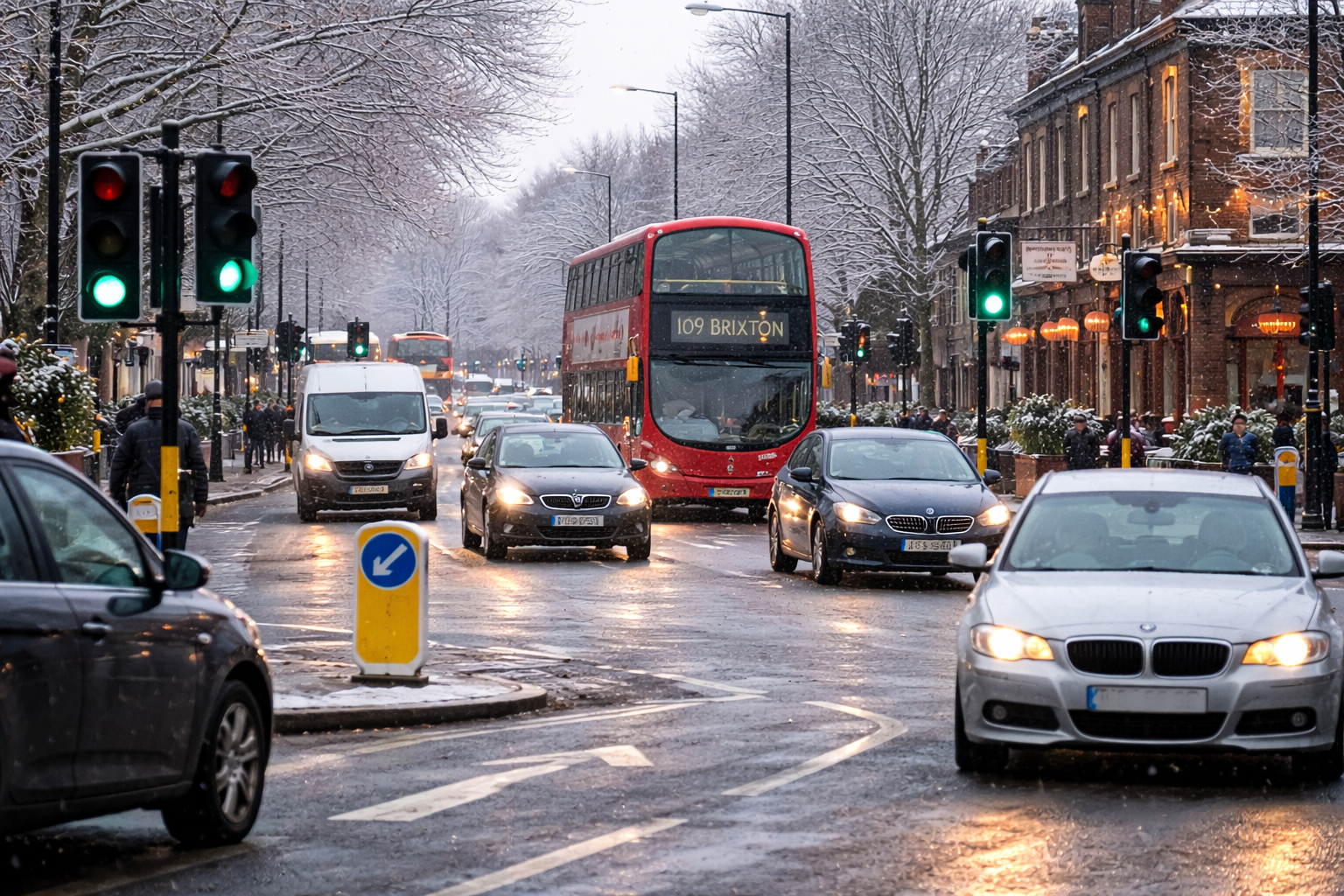
The UK Government has recently unveiled a new Road Safety Strategy designed to prevent thousands of deaths and serious injuries over the coming years. Notably, this is the first nationwide strategy of its kind in more than a decade.
The announcement signals a renewed focus on tackling the causes of serious road collisions and improving safety across Britain’s roads.
Major Goals to Cut Road Deaths and Injuries
At the heart of the plan is a bold target: reducing road deaths and serious injuries by 65% by 2035. For children under the age of 16, the aim is even higher — a 70% reduction.
The Department for Transport says these measures are being introduced because progress in road safety has slowed in recent years, despite the continued daily loss of life.
Transport Secretary Heidi Alexander said:
“Every life lost on our roads is a tragedy that devastates families and communities. For too long, progress on road safety has stalled. This strategy marks a turning point.”
Government statistics show that approximately four people lose their lives on Britain’s roads each day, with many others suffering injuries that permanently change their lives.
The new strategy focuses on the most frequent contributors to serious accidents and aims to encourage lasting behavioural change.
New Proposals on Driving Standards and Responsibility
Several key measures are being considered as part of the strategy.
One major proposal is a consultation on lowering the drink-drive limit in England and Wales, aligning it more closely with the stricter limit already adopted in Scotland.
The government is also exploring the introduction of alcohol interlock technology for repeat drink-driving offenders. These devices prevent a vehicle from starting if alcohol is detected on the driver’s breath.
Tougher Rules for New Drivers
The strategy also highlights plans to strengthen requirements for newly qualified drivers. Options include introducing mandatory minimum learning periods to ensure learners gain more real-world driving experience before being allowed to drive independently.
Older Drivers and Vision Testing
Older motorists are also addressed in the proposals. The government intends to consult on compulsory eyesight checks for drivers aged 70 and above. There may also be consideration of cognitive assessments where appropriate.
Increased Enforcement to Improve Road Compliance
Stronger enforcement will form a central part of the strategy. The government has said it will step up efforts against:
Uninsured drivers
Vehicles without valid MOT certificates
The use of illegal number plates
The intention is to make roads safer while ensuring greater fairness for motorists who follow the rules.
The AA Charitable Trust welcomed the strategy, calling it overdue and supporting its emphasis on reducing drink-driving, improving seatbelt compliance, and cracking down on uninsured vehicles.
What the Strategy Could Mean for Drivers and Businesses
For employers, the government has introduced the concept of a National Work-Related Road Safety Charter. This would establish clearer expectations for businesses whose employees drive as part of their role, helping to reduce workplace road risk.
For motorists, fleet operators, and insurers, the overall direction is clear: road safety policy is moving towards stricter standards, tougher enforcement, and greater accountability for drivers.
As consultations develop, drivers and businesses should stay informed and be prepared for changes that could impact driving behaviour, compliance obligations, and future insurance considerations.
Need to review your cover? Get an up-to-date car insurance quote with Peter Best Insurance Services.


