
Classic Car Tax Exemption 2026: Is Your Vehicle Eligible?
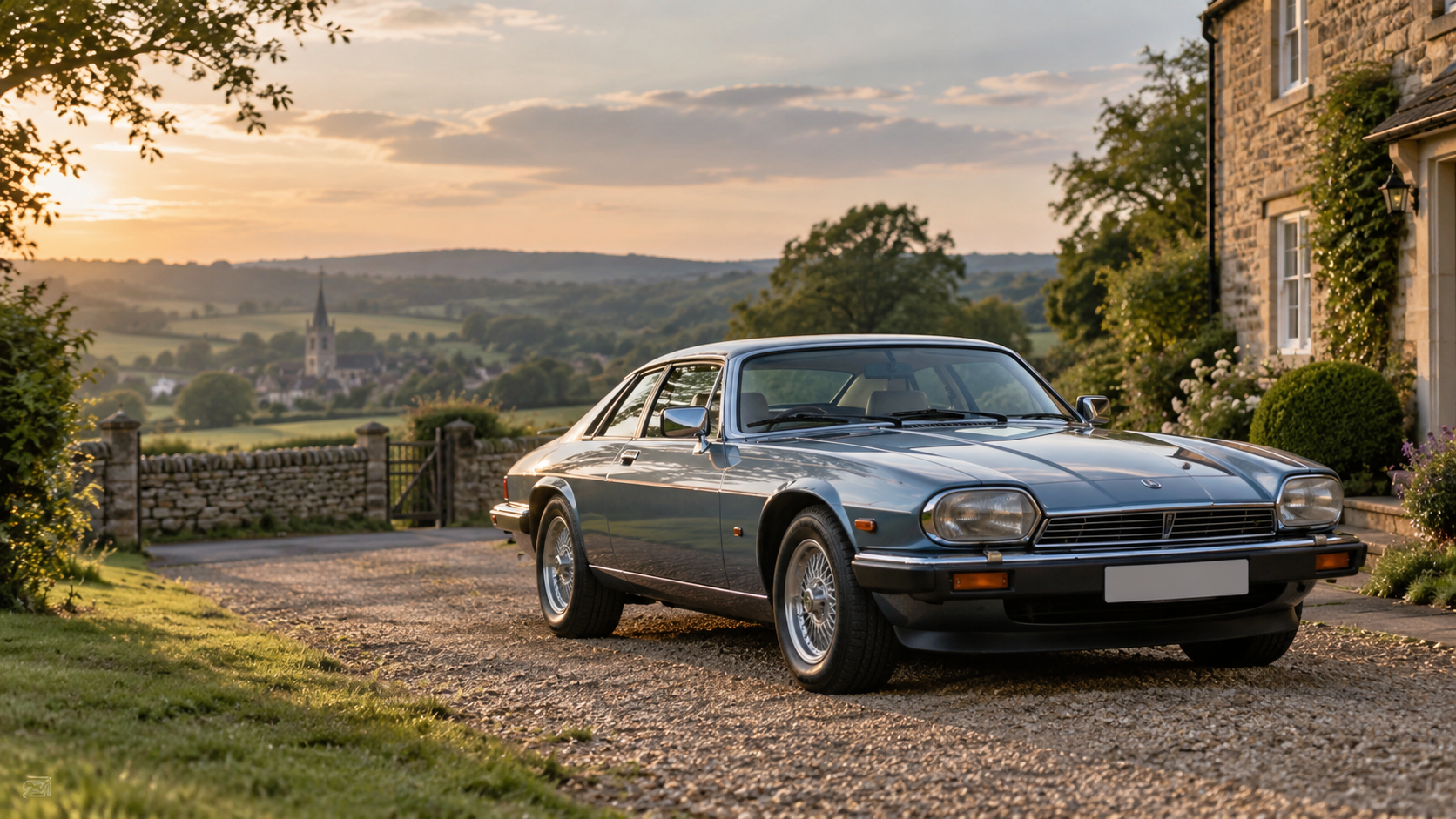
There's something rather satisfying about a classic car reaching its 40th birthday. For owners of vehicles built in 1985, there's now another reason to celebrate: the possibility of paying £0 in annual vehicle tax.
The UK's rolling historic vehicle tax exemption means another year of classics becomes eligible each April.
From 1 April 2026, qualifying vehicles manufactured before 1 January 1986 can benefit from the exemption. However, owners need to apply for historic tax status, and the rules surrounding MOT exemption are slightly different.
Whether you've owned your classic for decades or have recently acquired a car from the mid-1980s, here's what you need to know about the latest eligibility dates, applying for the exemption and keeping your vehicle legally on the road.
Which classic cars became tax-exempt in April 2026?
The historic vehicle tax exemption operates on a rolling 40-year basis.
From 1 April 2026, vehicles built before 1 January 1986 became eligible to apply for the historic tax class.
Where the date of manufacture isn't known, vehicles first registered before 8 January 1986 may also qualify.
Once the application has been approved and the vehicle is registered in the historic tax class, the amount of vehicle tax payable becomes £0.
The exemption isn't limited to cars. Qualifying motorcycles, vans and several other vehicle types can also benefit.
However, there are exclusions. Vehicles used for hire or reward, such as taxis carrying paying passengers, and vehicles used commercially for a trade or business are not eligible under the standard exemption rules.
If your classic was built in 1985, checking its manufacturing and registration dates is a useful starting point.
Historic tax status isn't automatic
One of the most important things to understand is that reaching the qualifying age doesn't automatically change your vehicle's tax class.
You must apply for the exemption through the DVLA's process.
Until the change has been completed, you shouldn't simply cancel your existing vehicle tax and assume that your classic is exempt.
Even after the vehicle has been registered in the historic tax class, you must continue to tax it, although the amount payable will be £0.
A vehicle that is exempt from paying tax is not exempt from the requirement to be taxed when used on the road.
How do you change your vehicle to the historic tax class?
The initial application must be made at a Post Office branch that handles vehicle tax.
You'll need to take the relevant documents with you:
Your V5C log book, registered in your name.
Your V11 vehicle tax reminder, if you have one.
Evidence of a current MOT if your vehicle requires one.
A completed V112 declaration if you're claiming MOT exemption.
If you don't have your V5C, you'll need to complete a V62 application for a replacement log book. The current fee is £25.
Once you've submitted the application, the Post Office will forward your V5C to the DVLA, which will issue an updated log book showing the correct tax class.
If a refund of previously paid vehicle tax is due, the DVLA will process it. GOV.UK advises contacting the DVLA if you haven't received an expected refund within six weeks of receiving your updated log book.
Make sure your vehicle remains correctly taxed if you intend to use it while the application is being processed.
For full details, visit the official GOV.UK historic vehicle tax exemption guide .
Does your classic still need an MOT?
Historic vehicle tax exemption and MOT exemption are two separate matters.
A car qualifying for £0 vehicle tax doesn't automatically mean it can be driven without an MOT.
In England, Scotland and Wales, a vehicle can generally qualify for MOT exemption when it meets both of the following conditions:
It was built or first registered more than 40 years ago.
It hasn't undergone substantial changes during the previous 30 years.
These vehicles are classified as vehicles of historical interest for MOT purposes.
You don't need to make a separate application simply to stop having annual MOT tests. However, you must declare that your vehicle qualifies for exemption when taxing it.
A V112 declaration may be required as part of the process.
Northern Ireland has separate vehicle testing requirements, so owners should check the rules that apply to their vehicl
What about classics that have been restored or modified?
Classic cars don't always remain entirely as they left the factory.
Over several decades, an owner might replace an engine, upgrade suspension components or carry out extensive restoration work.
Some alterations can affect MOT exemption, particularly where a vehicle has been substantially changed during the previous 30 years.
The Department for Transport's guidance considers changes to major components, including:
The chassis or frame.
The monocoque bodyshell.
Axles and running gear.
Suspension and steering.
The engine.
However, the rules recognise that older vehicles may need replacement parts and that certain alterations are necessary to preserve them.
For example, some changes made to improve safety, efficiency or environmental performance, or to replace components that are no longer reasonably available, may be permitted under the guidance.
The nature and extent of the changes are important.
A replacement component doesn't necessarily make a classic ineligible, but extensive alterations could affect its status.
If you own a restored or modified vehicle and aren't certain about its history, check the official criteria before declaring it MOT-exempt.
The Department for Transport makes clear that owners who cannot confirm that their vehicle meets the relevant requirements must not claim the exemption.
You can read the full Government guidance on historic vehicle MOT exemption for further information.
MOT-exempt doesn't mean maintenance-exempt
Even when your classic no longer requires an annual MOT, it must still be safe and roadworthy whenever it's used on public roads.
The responsibility for maintaining the vehicle remains with its owner.
Driving a vehicle in a dangerous condition can result in a fine of up to £2,500 and three penalty points, regardless of its MOT exemption status.
For older vehicles, regular maintenance is particularly important.
Components can deteriorate through age, corrosion and prolonged periods of inactivity, even when a car covers relatively few miles each year.
Brakes, tyres, steering, suspension and other safety-critical components should be inspected and maintained appropriately.
Should you continue having an MOT voluntarily?
Some classic car owners choose to continue with annual MOT testing, even when their vehicles qualify for exemption.
A voluntary test can provide an independent assessment of the vehicle's condition at the time of inspection.
This can be particularly useful for vehicles that spend much of the year in storage or cover relatively few miles.
However, an MOT only confirms the vehicle's condition against the test requirements at the time it was carried out. It doesn't replace ongoing servicing and maintenance.
The Government confirms that owners of eligible historic vehicles can continue to have voluntary MOT tests.
Does historic vehicle status affect your insurance?
Reaching historic tax status doesn't remove the need for appropriate motor insurance when using your classic on public roads.
It's also worth reviewing your insurance details if your circumstances or the vehicle itself have changed.
For example, changes to the way you use your classic, its annual mileage, storage arrangements or modifications may need to be disclosed to your insurer.
Specialist classic car policies can offer features designed for older vehicles, although the protection available will depend on the insurer and individual policy.
At Peter Best Insurance Services, we arrange insurance for classic and specialist vehicles, helping owners explore cover options that reflect their cars and how they're used.
If you're unsure whether your current policy details remain accurate, contact your insurer or broker for clarification.
Another milestone for the classic car community
For owners of cars built in 1985, the latest extension of the historic vehicle tax exemption is a welcome milestone.
It also provides a useful opportunity to check your vehicle's paperwork, establish whether it qualifies for MOT exemption and make sure it remains properly maintained.
If your classic is now eligible, remember that the tax class change requires an application and that the obligation to tax the vehicle continues, even when the amount payable becomes £0.
And while your classic's 40th birthday might bring a saving on vehicle tax, looking after it remains just as important as ever.
After all, the pleasure of owning a classic isn't simply about how old it is. It's about keeping it on the road and enjoying it for years to come.
Your Classic Deserves Specialist Insurance
Whether your car has recently qualified for historic vehicle tax exemption or has been part of your collection for years, having suitable insurance is important. Explore the classic car insurance options available through Peter Best Insurance Services and get a quote today.


