
MoT Exemption and Classic Vehicle Insurance: Key Facts
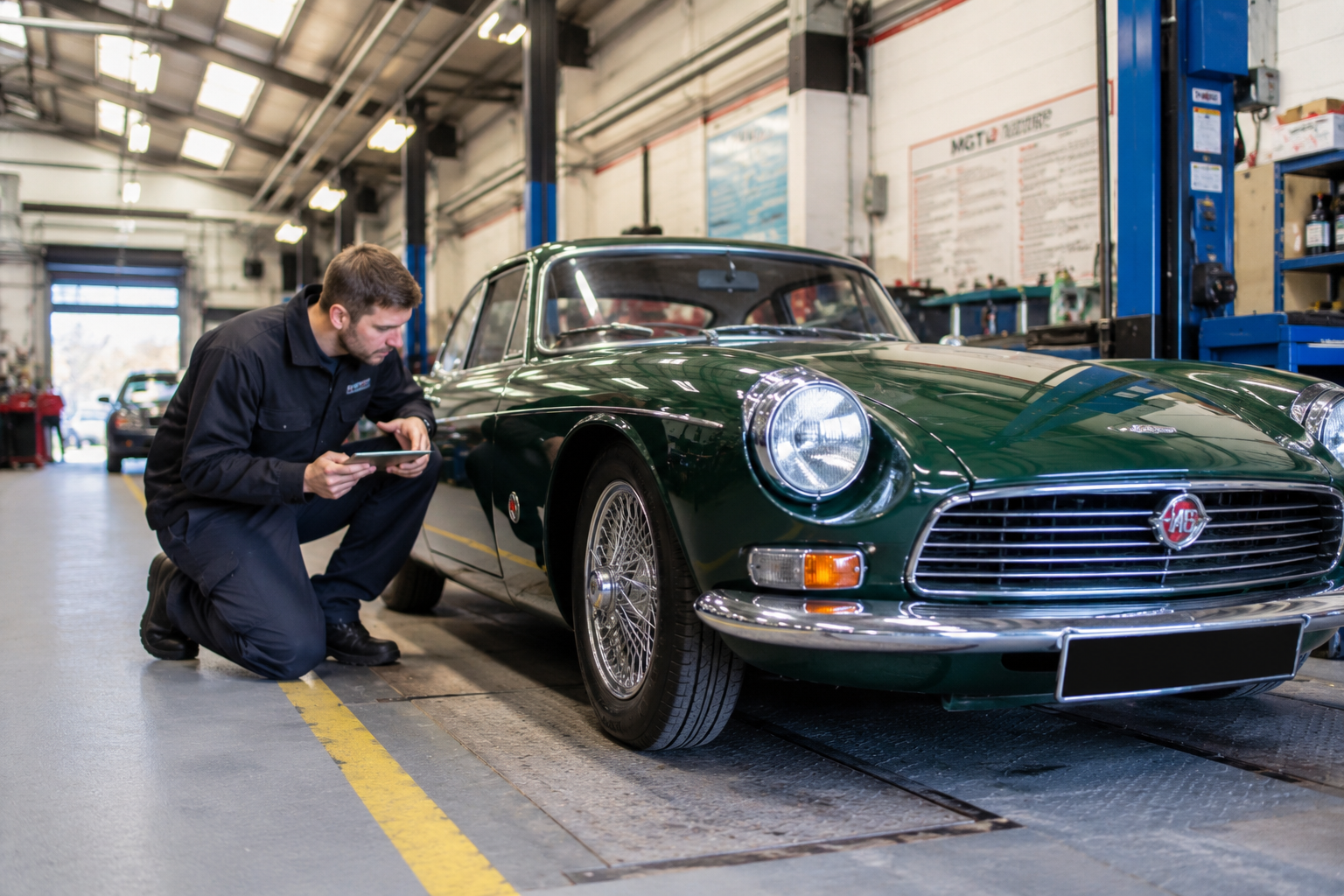
MoT Exemption and Classic Vehicle Insurance Explained
MoT exemption remains an important subject for many classic car owners, particularly when it comes to insurance. Owners often want reassurance that not having a current MoT certificate will not affect their policy cover, agreed valuation, or the outcome of a future claim.
At Peter Best Insurance, we understand the pride and investment involved in owning historic vehicles. For eligible classics, MoT exemption does not automatically create insurance problems, provided the vehicle is properly maintained, roadworthy, and compliant with legal requirements.
Why certain historic vehicles are exempt from MoT testing
The UK introduced a rolling 40-year exemption from MoT testing in 2018 following consultation with groups representing the historic vehicle sector, including the Federation of British Historic Vehicle Clubs.
Historic vehicles are often maintained to exceptionally high standards and typically cover far fewer miles than modern daily-use vehicles. Many owners are highly knowledgeable enthusiasts who invest significant time into maintenance and preservation.
In addition, some older vehicles — particularly pre-war models — include engineering features that are not always easily accommodated within modern testing procedures. Examples can include cable-operated braking systems, trafficator indicators, and fly-off handbrakes.
Vehicles over 40 years old may qualify for exemption if they have not undergone substantial modification within the last 30 years. Owners must register the vehicle as a Vehicle of Historic Interest and remain responsible for ensuring it is safe to use on public roads.
The exemption recognises the unique role historic vehicles play as part of the UK’s motoring heritage rather than everyday transport.
Does MoT exemption affect insurance cover?
For insurers, the key issue is whether the vehicle is roadworthy, not simply whether it holds a current MoT certificate.
An MoT certificate confirms that a vehicle met the minimum legal standard at the time of testing. It does not guarantee the vehicle will remain roadworthy afterwards. Likewise, a vehicle without an MoT certificate is not automatically unsafe.
If a historic vehicle legitimately qualifies for exemption and is maintained correctly, the absence of an MoT certificate does not invalidate insurance cover.
The owner’s responsibility remains the same at all times: ensuring the vehicle is safe and fit for use on the road.
Does an exempt vehicle still qualify for agreed value cover?
Many owners wonder whether MoT exemption could affect agreed value insurance arrangements.
In reality, agreed value assessments are normally based on factors such as originality, condition, rarity, restoration quality, provenance, and current market demand. Supporting evidence may include photographs, service records, specialist valuations, and owners’ club verification.
Whether the vehicle has an MoT certificate generally has little bearing on agreed value. The vehicle’s worth is determined by its condition and desirability within the market rather than the existence of annual testing documentation.
Could an insurer decline a claim because there is no MoT?
Some classic car owners worry that insurers may rely on technicalities surrounding MoT exemption to reject claims. In practice, this is relatively uncommon.
Under UK law, insurers remain legally required to meet third-party liabilities regardless of a vehicle’s MoT status.
There may be circumstances where a policy settlement could be affected if a vehicle is proven to have been unroadworthy and a specific defect directly caused or contributed to the accident.
However, this would usually require clear evidence linking the defect to the incident itself.
For properly maintained historic vehicles, this threshold is rarely encountered.
Why many owners still choose voluntary inspections
Although annual MoT testing may no longer be legally required, many enthusiasts still arrange voluntary tests or regular specialist inspections.
Routine inspections can help identify wear and tear before it develops into more serious problems. Common issues identified during checks may include:
ageing tyres with deteriorating rubber
brake wear or imbalance
suspension wear including bushes and dampers
faulty lighting or poor headlamp alignment
worn wiper blades affecting visibility
These are often gradual issues that can be easy to miss during normal use.
Many classic car owners value the additional reassurance that independent inspections provide, particularly before extended trips or periods of regular use.
Supporting historic vehicle enthusiasts
At Peter Best Insurance, we recognise the dedication involved in maintaining and preserving classic vehicles. In our experience, historic vehicle owners are typically careful, knowledgeable, and highly attentive to maintenance standards.
MoT exemption does not automatically invalidate insurance cover, reduce agreed value, or provide a simple basis for claims to be rejected. The central responsibility remains ensuring the vehicle is maintained in a roadworthy condition and used responsibly.
For many owners, voluntary testing and regular servicing continue to provide valuable peace of mind while helping protect these vehicles for future generations.


