
Could AI Speed Up Planning Permission for Home Extensions?
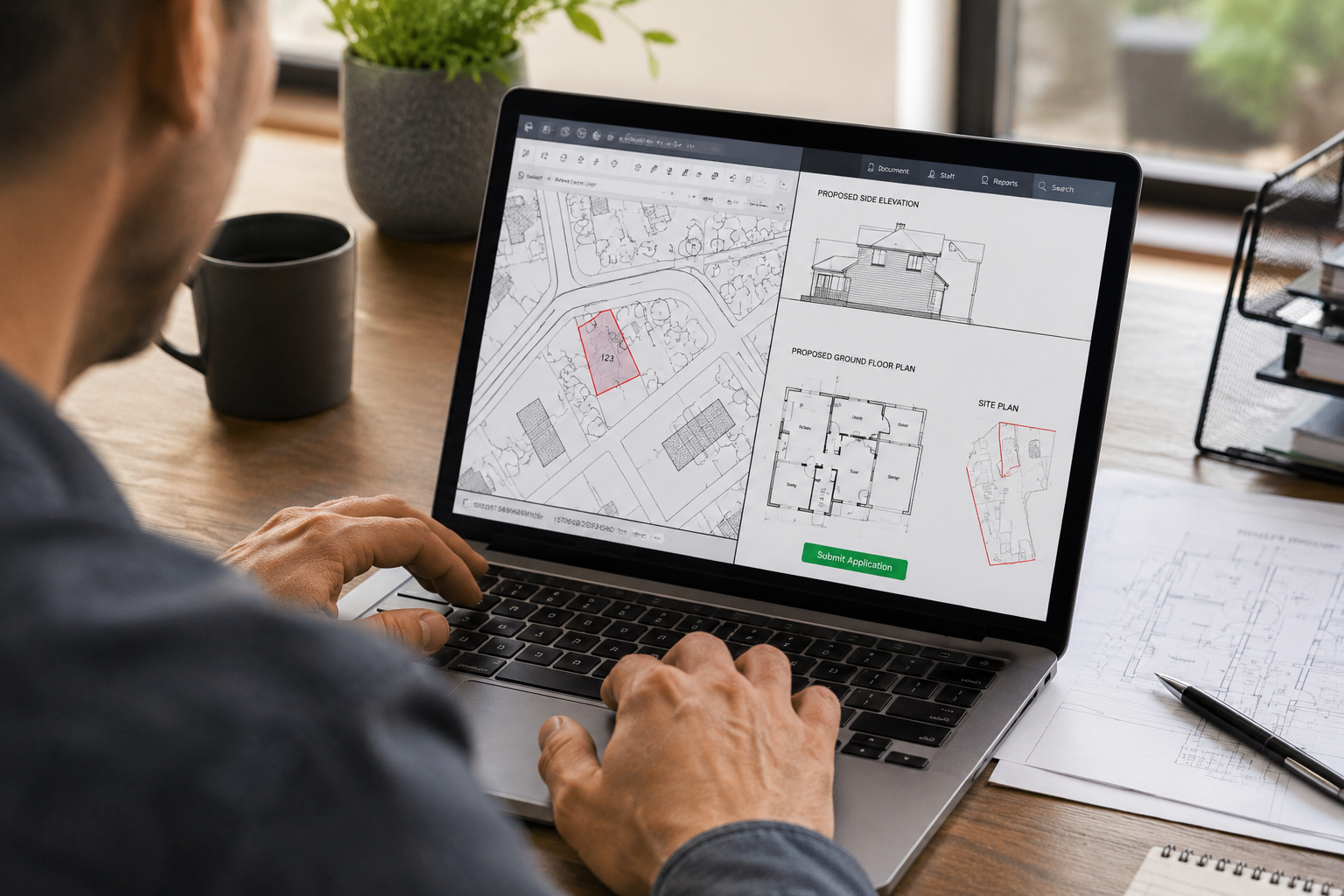
Could AI Help Homeowners Secure Planning Approval More Quickly?
Whether you're extending your kitchen, converting your loft or creating extra living space, obtaining planning permission can often be one of the longest stages of a home improvement project.
Applications must be reviewed carefully, local planning policies considered and, where necessary, neighbouring properties taken into account before a decision can be reached.
Now, artificial intelligence could help speed up parts of that process.
Several local authorities are trialling AI-powered technology designed to support planning officers, with the aim of processing certain planning applications more efficiently while maintaining human oversight.
Why Are Councils Introducing AI?
Planning departments are responsible for assessing large numbers of applications each year.
Every submission requires officers to examine architectural drawings, interpret planning policies, review supporting information and consider any objections before making a recommendation.
The new AI system has been designed to assist with some of these administrative tasks.
It can review applications, identify key information and prepare summaries that planning officers can use during their assessment.
Importantly, artificial intelligence is not replacing professional judgement. Final planning decisions will continue to be made by qualified planning officers.
Where Is The Technology Being Trialled?
The pilot programme is currently operating within Barnet, Camden and Dorset councils.
Should the trials prove successful, the technology could be introduced more widely across England during the coming year.
According to published reports, the project has been developed through collaboration between government departments, Google DeepMind, Google Cloud, Faculty and participating local authorities.
Separately, the Government has introduced another AI system designed to convert historic planning maps and documents into digital records, helping councils manage planning information more efficiently.
What Difference Could It Make?
For homeowners, the biggest benefit could simply be shorter waiting times.
Quicker planning decisions may make it easier to organise contractors, manage project budgets and schedule work without lengthy periods of uncertainty.
Families planning extensions, loft conversions or other home improvements could potentially move their projects forward sooner than under traditional timescales.
However, faster processing should not be mistaken for guaranteed approval.
Applications must still comply with local planning policies, and homeowners may also need to satisfy building regulations, consider party wall responsibilities and understand any restrictions affecting listed buildings or conservation areas.
Home Insurance Still Deserves Attention
Receiving planning permission is only one step in preparing for building work.
Before construction begins, homeowners should also review their home insurance arrangements.
Major building projects can alter the risks associated with a property. During construction there may be scaffolding, partially exposed roofs, temporary security issues or contractors working on site.
Depending on the scale of the work, insurers may need to be informed before the project begins, and additional protection may sometimes be appropriate while work is in progress.
Failing to notify your insurer could affect cover or create complications if you need to make a claim during the building project.
Good Preparation Remains Essential
Artificial intelligence may help councils process planning applications more efficiently in the years ahead, reducing delays for homeowners undertaking improvement projects.
Even if planning decisions become faster, careful preparation remains just as important.
Understanding local planning requirements, ensuring building regulations are met and reviewing your insurance cover before work starts can all help prevent unnecessary setbacks.
Peter Best Insurance understands that extending or improving a home is often a significant financial investment. Taking the time to ensure both your project and your insurance arrangements are properly prepared can help provide confidence from the planning stage through to completion.


