
Could Britain's Changing Weather Be Increasing the Risk of Subsidence?
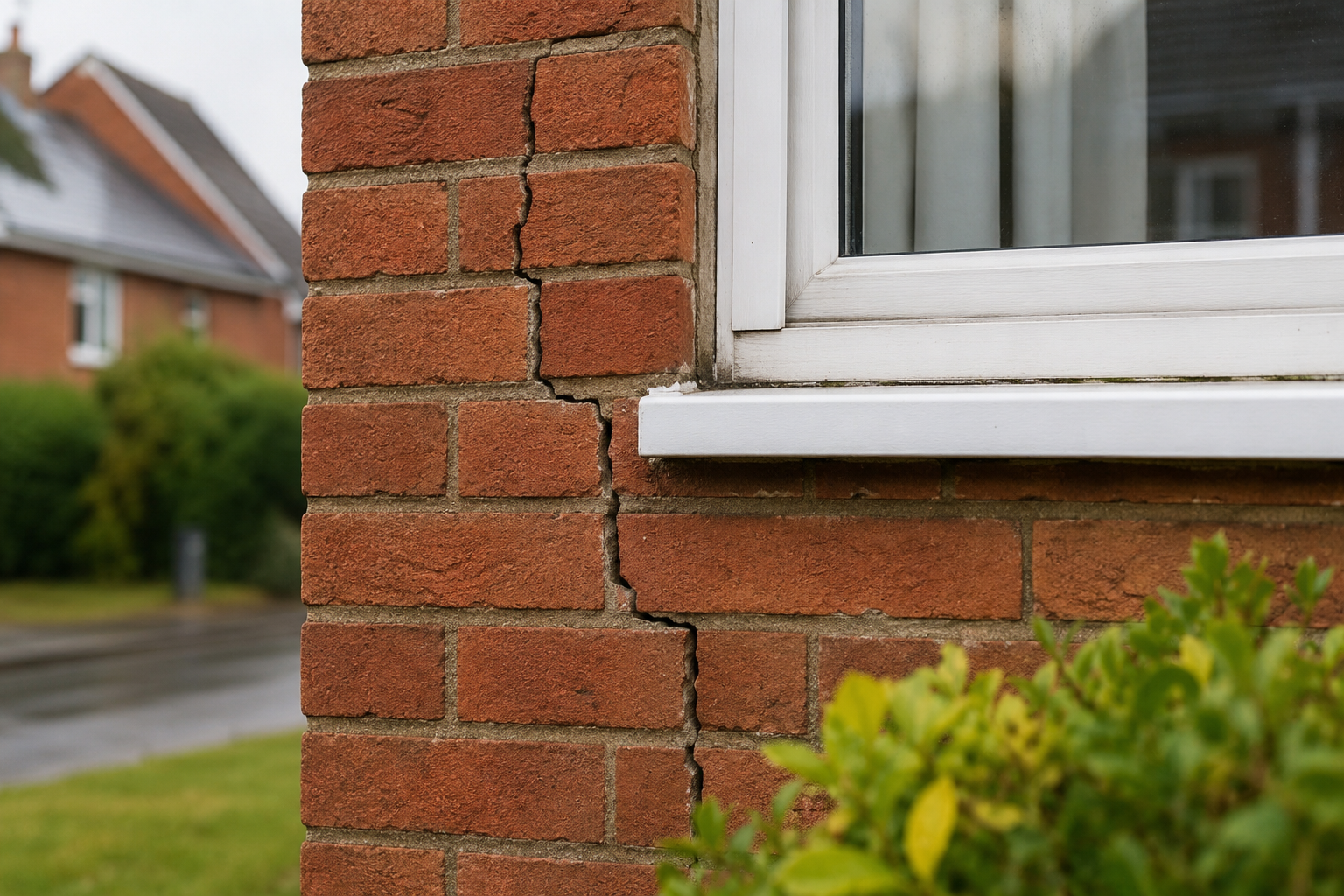
Subsidence Risks in the UK: How Weather Can Affect Your Home
The British climate has always kept us guessing. One season can bring months of rain, while the next delivers prolonged periods of dry, hot weather.
In recent years, however, many experts have noted a growing trend towards more extreme weather conditions. Extended droughts followed by heavy rainfall can create challenges for homeowners, particularly when it comes to the stability of the ground beneath their properties.
For homes built on clay-rich soil, these changing weather patterns may increase the likelihood of subsidence, making it a topic that deserves greater attention from property owners across the UK.
What Is Subsidence?
Subsidence occurs when the ground supporting a building moves downward, causing the foundations to shift. This movement can place stress on the structure and may result in visible signs of damage.
One of the most common causes of subsidence in Britain is shrinkable clay soil. During periods of dry weather, clay loses moisture and contracts. When rainfall returns, the soil absorbs water and expands again. Repeated cycles of shrinking and swelling can gradually affect a property's foundations.
Vegetation can also influence ground movement. Trees and large shrubs draw moisture from the soil, which may increase the effect during particularly dry summers.
Potential indicators of subsidence include:
Cracks around doors and windows
Cracks that widen towards the top
Doors and windows becoming difficult to open or close
Wallpaper pulling away from walls
Uneven floors or sloping surfaces
It is important not to assume that every crack is a sign of subsidence. Many properties experience minor movement as they age. However, significant changes that develop quickly should not be ignored.
Why Are Weather Patterns Important?
The UK has experienced a number of exceptionally warm and dry summers in recent years, often followed by periods of intense rainfall.
Climate projections suggest that these extremes may become more frequent in the future. While this does not automatically place every property at risk, the repeated expansion and contraction of certain soil types can increase pressure on foundations.
The insurance industry has already seen evidence of this trend. Following major heatwaves, insurers have reported notable increases in subsidence claims, demonstrating the impact prolonged dry conditions can have on residential buildings.
Risk levels vary considerably depending on factors such as location, soil composition, nearby vegetation and the design of the property itself. Nevertheless, changing weather patterns make regular property maintenance more important than ever.
Steps Homeowners Can Take
Although there is no guaranteed way to prevent subsidence, there are practical measures that may help identify problems early and reduce potential risks.
Keep Track of Cracks
Small cracks are often part of a property's natural movement.
The key question is whether they are changing over time. Taking photographs at regular intervals can help you monitor any progression and provide useful evidence should professional advice be required.
Check Drains and Underground Pipework
Leaks from drains or water pipes can alter ground conditions around a property's foundations.
Signs such as persistent damp areas, unexplained increases in water usage or recurring drainage problems should be investigated promptly.
Seek Advice Before Removing Trees
Trees can have a significant impact on moisture levels in clay soils.
However, removing mature trees without specialist guidance is not always the answer. In some cases, sudden rehydration of the soil can lead to further movement.
Professional advice from a surveyor or arboricultural expert can help determine the most appropriate course of action.
Maintain Roofs, Gutters and Drainage Systems
While drought conditions can contribute to subsidence, heavy rainfall brings its own challenges.
Blocked gutters, damaged roofing materials and faulty downpipes can allow water to enter the building or accumulate around foundations.
Routine maintenance can help prevent small issues from developing into more expensive repairs.
Review Your Insurance Protection
Home insurance plays an important role in protecting homeowners against unexpected structural issues.
Many buildings insurance policies include subsidence cover, although excess levels are often considerably higher than those applied to standard claims.
When reviewing your policy, it is worth checking:
Whether subsidence cover is included
The applicable excess
Cover for garages, driveways and other external structures
Any exclusions relating to previous claims or structural movement
The information required to support a future claim
Understanding your cover before problems arise can help make the claims process considerably smoother if the unexpected happens.
Flooding Is Another Weather-Related Concern
The same weather conditions that can contribute to subsidence may also increase the risk of flooding.
After long periods of dry weather, hardened ground can struggle to absorb large volumes of rainfall quickly, leading to surface water flooding in some areas.
Property owners may wish to consider:
Keeping drains and gutters clear
Installing flood-resistant materials where appropriate
Storing valuable possessions above ground level
Reviewing insurance arrangements regularly
Staying Prepared
While nobody can control the weather, homeowners can take sensible steps to protect their properties against its effects.
Regular maintenance, awareness of potential warning signs and ensuring suitable insurance protection are all valuable ways to reduce the financial impact of structural problems.
Peter Best Insurance understands the importance of protecting what matters most. Reviewing your insurance arrangements regularly can help ensure your home remains protected against the challenges posed by Britain's increasingly unpredictable weather. Reach out to our customer service team to see if you're adequately protected.


