
How Spring Garden Projects Can Affect Your Home Insurance
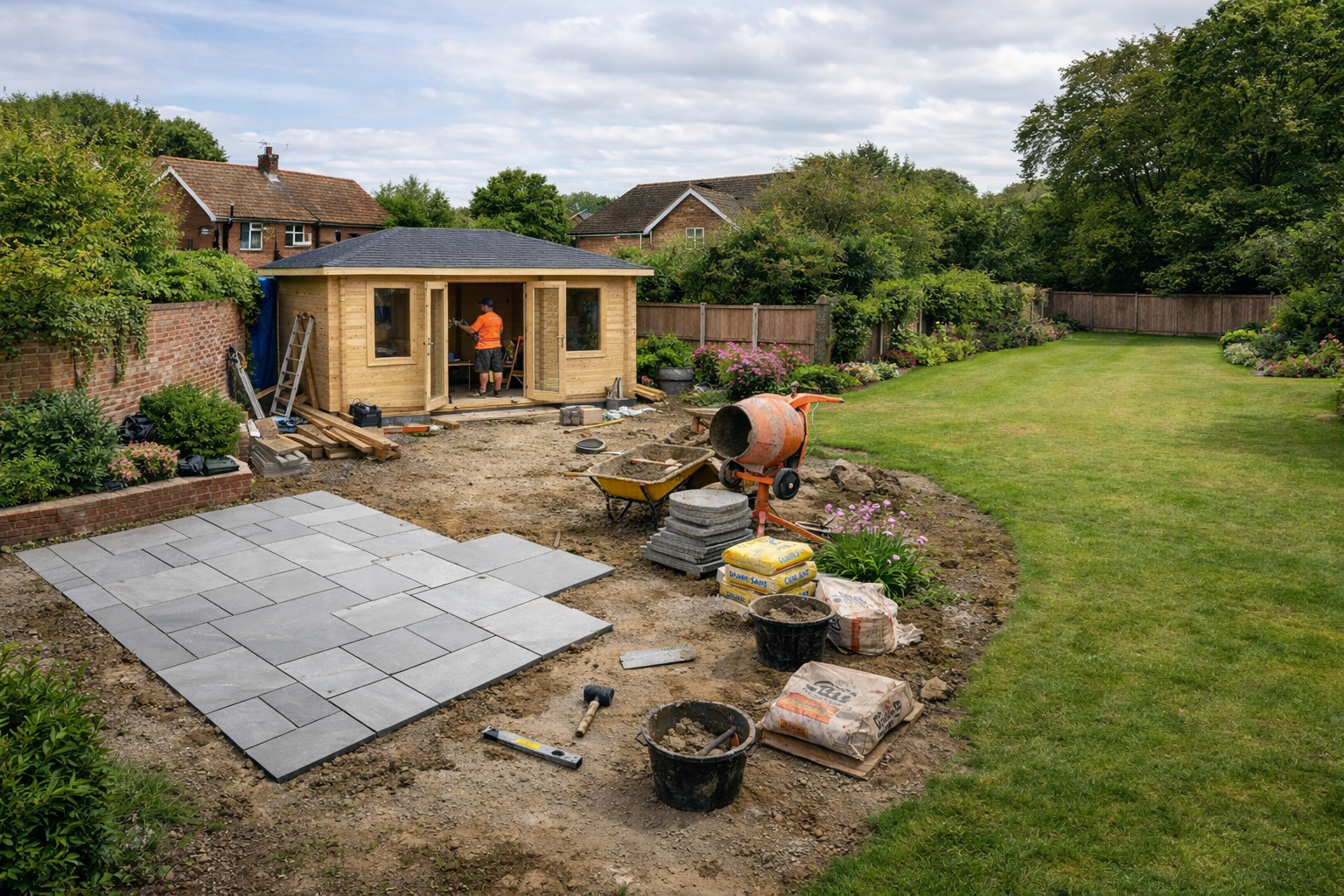
Spring Garden Projects & Home Insurance Explained
Spring often brings renewed energy for improving outdoor spaces. As temperatures rise and gardens begin to recover after winter, many homeowners start planning upgrades such as new sheds, improved fencing, garden rooms or outdoor entertaining areas.
While these additions can transform how you use your garden, they may also influence how your home insurance applies.
Many policies treat outbuildings, garden structures and outdoor possessions differently from the main house. This can become important if you store valuable equipment outdoors or if a garden building is now used as a workspace.
Understanding how your policy works alongside these upgrades can help ensure your cover remains appropriate.
Garden improvements and your insurance
Once winter passes, it is common for homeowners to reassess their gardens. Lawns are repaired, new landscaping ideas emerge and investment in outdoor features often follows.
Whether you are installing a replacement shed, adding decorative structures like pergolas, or building a dedicated garden office, these improvements may change both the overall value of your property and the risks insurers consider.
Insurance cover does not automatically adjust when a property changes. That is why it can be useful to review your policy whenever you make improvements to your outdoor space.
Sheds: the building and what’s inside
Sheds and similar garden buildings are normally included within the buildings element of a home insurance policy. This cover is often provided as a proportion of the total buildings sum insured.
However, the belongings stored inside these buildings are usually protected under contents insurance rather than buildings cover.
This distinction can be significant because insurers frequently apply different limits or requirements to items stored outside the main house.
For instance:
Individual item limits may be lower
Theft claims may depend on adequate security
Insurers may require signs of forced entry
Over time, sheds can accumulate a surprising number of expensive items, from power tools to bicycles and lawn care equipment.
Reviewing the value of these items can help ensure they remain within your policy limits.
Garden offices and workspaces
Garden rooms designed for work or leisure have become increasingly popular. However, insurers may not always classify them in the same way as a traditional shed.
When assessing cover, insurers may look at factors such as:
Whether the building has permanent foundations
If electrical systems are installed
Whether plumbing is connected
The construction and permanence of the structure
These details may affect how rebuild costs are calculated and whether the building should be specifically declared.
Even if local planning rules do not require permission, insurers may still expect to be informed of structural additions.
The intended use of the building is also relevant. If a garden office is used for business activities, this could influence your insurance arrangements and may require disclosure.
Fencing and boundary changes
Spring is a common time to repair or replace fencing that may have been damaged by winter storms. Homeowners may also choose to upgrade fences for greater privacy or improved security.
Fences are usually included within buildings insurance, although storm damage cover can sometimes be conditional.
For example, insurers often exclude claims related to gradual deterioration or lack of maintenance.
Shared boundary fences can occasionally complicate matters if it is unclear which neighbour is responsible for upkeep.
Additionally, structural changes such as increasing fence height or installing new boundary features may need to be declared to your insurer.
While fencing may appear to be a simple garden improvement, it can still influence how claims are handled following severe weather.
Outdoor features and garden lifestyle additions
Modern gardens increasingly include features designed for relaxation and entertaining. Decking, pergolas, outdoor kitchens and hot tubs are now common additions.
These installations can have an impact on insurance cover.
Permanent structures and fixtures may increase the overall rebuild value of the property, particularly when installations involve significant materials or connections to electricity or plumbing.
If the buildings sum insured does not reflect these additions, the policy may no longer represent the true cost of rebuilding your property.
Some installations, such as hot tubs, may also require disclosure to insurers.
Meanwhile, outdoor belongings like furniture, barbecues and garden equipment are usually insured as part of contents cover but may be subject to reduced theft limits, particularly when left unsecured outside.
Reviewing your policy after introducing new garden features can help ensure your protection remains suitable.
Security considerations during warmer months
As gardens become more active spaces in spring and summer, the risk of theft involving tools, bikes and garden equipment can also increase.
Simple preventative steps can help reduce the likelihood of opportunistic theft.
Examples include:
Locking sheds and outbuildings when not in use
Installing motion-sensitive lighting
Using shed alarms or security devices
Anchoring high-value items such as bikes or machinery
Avoiding leaving tools visible overnight
These precautions can not only improve security but may also assist the claims process should a loss occur.
A seasonal review of your insurance
Spring improvements provide a useful opportunity to review your home insurance.
Even modest garden upgrades can alter rebuild values or increase the value of items stored outside.
You may wish to consider:
Whether new permanent structures have been added
If your property’s rebuild value has changed
Whether valuable tools or equipment are stored in outbuildings
If a garden building is being used for work or business activities
Checking your buildings and contents sums insured, along with limits for individual items or outdoor theft, can help ensure your cover continues to match your home and how it is used.
Once your policy reflects these changes, you can enjoy your garden upgrades with greater peace of mind.
Garden Renovations - Frequently Asked Quations
Are sheds included in home insurance policies?
In many cases they are covered under the buildings section, although the amount of cover may be limited to a percentage of the total buildings sum insured.
Are tools stored in sheds insured?
They are typically covered under contents insurance. However, lower limits and security requirements often apply to items stored in outbuildings.
Should a garden office be declared to insurers?
Often yes, particularly if the structure is permanent, wired with electricity or used for business purposes.
Does decking or other garden structures affect insurance?
It can do. Permanent outdoor structures may increase the rebuild value of a property, meaning your buildings cover may need to be updated.


