
How to Look After Your Motorhome During the Winter Months
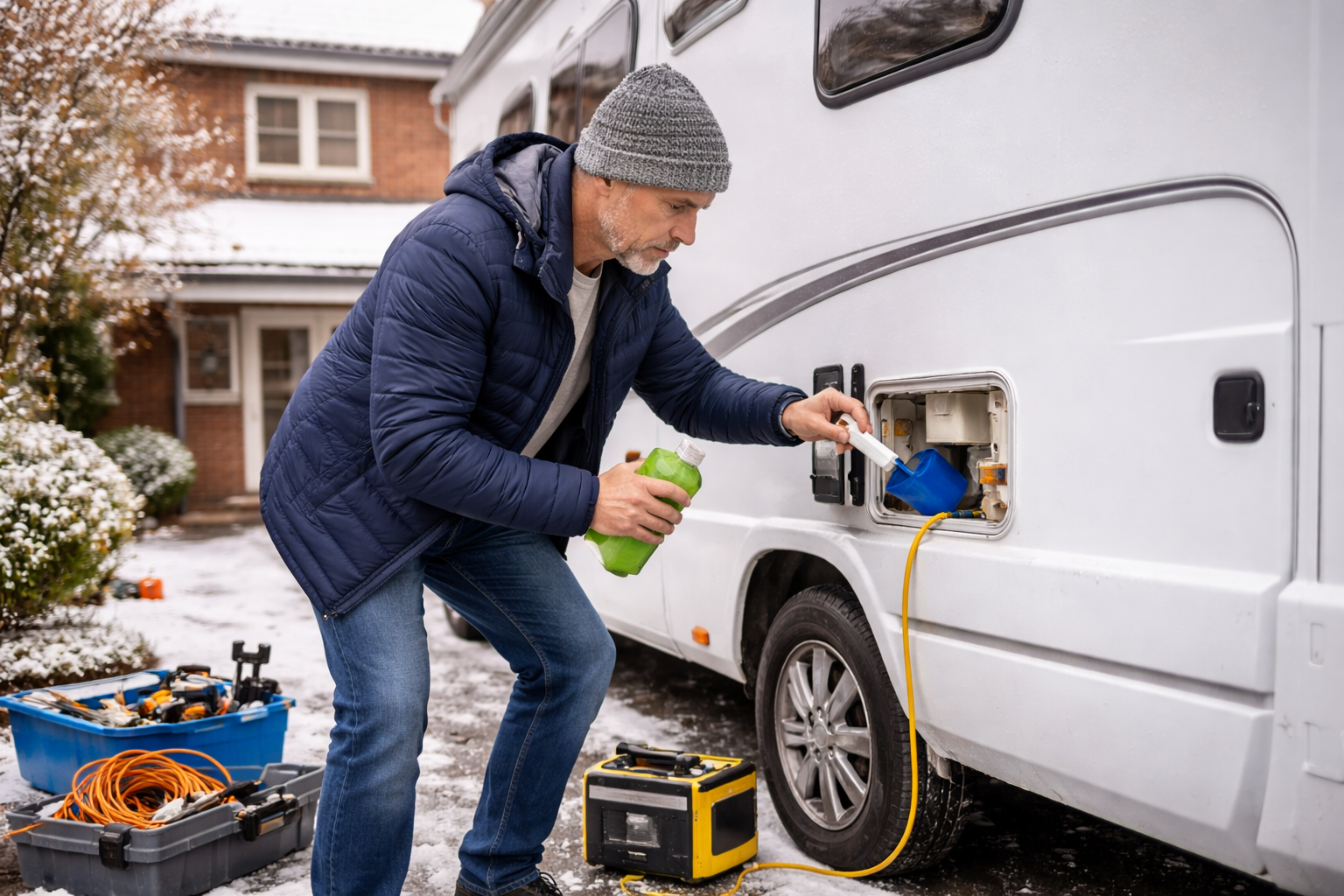
Winter naturally brings a pause for many travellers. Once holidays are over and temperatures drop, motorhomes often remain unused for several months. While that break is normal, long periods of inactivity can leave vehicles vulnerable to damp, battery drain, stale fuel, tyre deformation, and interior deterioration.
A little preparation goes a long way. Each simple step protects a different area of the vehicle and helps maintain its condition and long-term value.
Start with a Thorough Clean
Before placing your motorhome into storage, cleaning should be the first priority.
Road grime, salt, and organic debris such as tree sap can hold moisture against bodywork and increase the risk of corrosion over time. Washing the exterior properly also makes it easier to spot small chips or scratches that may need attention before winter sets in.
Inside the vehicle, cleanliness is just as important. Food crumbs, damp clothing, and forgotten toiletries can lead to unpleasant odours, mould, or unwelcome pests. A dry, tidy interior will cope far better with months of non-use.
Moisture Control is Essential
Once clean, the next focus should be keeping the motorhome dry.
Motorhomes are particularly prone to condensation, especially when cold nights are followed by milder daytime temperatures. Moisture absorbers placed around the living space can make a noticeable difference.
Leaving curtains slightly open helps airflow circulate, reducing the chance of damp settling in corners. Soft furnishings should always be completely dry before storage, as trapped moisture is one of the most common causes of mould growth over winter.
Protect the Mechanical Systems
Mechanical upkeep is just as important during lay-up. A motorhome battery doesn’t cope well with being left unused for months. Many owners either disconnect the battery completely or use a smart charger to provide a gentle, consistent charge.
This helps prevent sulphation, where battery plates deteriorate if the charge remains too low for extended periods.
Fuel and Engine Care
Fuel quality can decline over time, so filling the tank before storage helps reduce the air space inside, limiting condensation in the fuel system.
Some owners also choose to change the engine oil before winter storage, as old oil can contain acids and contaminants that aren’t ideal during long periods of inactivity.
Don’t Overlook the Tyres
Tyres often suffer during winter storage, particularly with heavier motorhomes.
When a vehicle remains stationary for too long, flat spots can develop — especially in colder conditions. Moving the motorhome slightly every so often can help prevent this.
Some owners increase tyre pressures slightly (within safe manufacturer limits) to reduce strain on sidewalls. It’s also wise to ensure the vehicle’s weight is evenly distributed so suspension components don’t settle unevenly.
Keep Security in Mind
A motorhome sitting unused on a driveway or in a storage yard can become an attractive target.
Basic security steps include:
Locking all doors and windows
Securing internal compartments
Removing valuables and personal items
Checking any alarms or tracking systems are working correctly
Confirming security measures before storage begins can provide peace of mind throughout the winter months.
Drain and Protect the Water System
Water systems should never be ignored during cold weather.
Even small amounts of water left in pipes or tanks can freeze, expand, and damage seals or fittings. Fully draining the system is one of the simplest ways to prevent costly winter damage.
Many owners also run taps briefly after draining to clear any remaining water from connectors and bends. Waste tanks should be emptied too, ensuring no residue is left to freeze during sharp frosts.
Inspect External Seals and Fittings
Finally, take time to check exterior components before your motorhome goes into hibernation.
Roof vents, seals, awning fixtures, hinges and rubber trims all react to colder temperatures. A quick inspection can highlight drying seals or loose fittings.
Applying a small amount of silicone lubricant to rubber seals can help keep them flexible and prevent cracking over time.
Ready for Winter Rest
With these steps completed, your motorhome can safely sit through the colder months. Proper winter care helps protect the interior, preserve mechanical condition, and maintain the vehicle’s value for future adventures.
Happy hibernation, and here’s to another great year of travel ahead.
Looking to make sure your motorhome has the protection it needs? Get a motorhome insurance quote with Peter Best Insurance Services today.


