
Caught Out by Parking Fines? Changes Are Coming
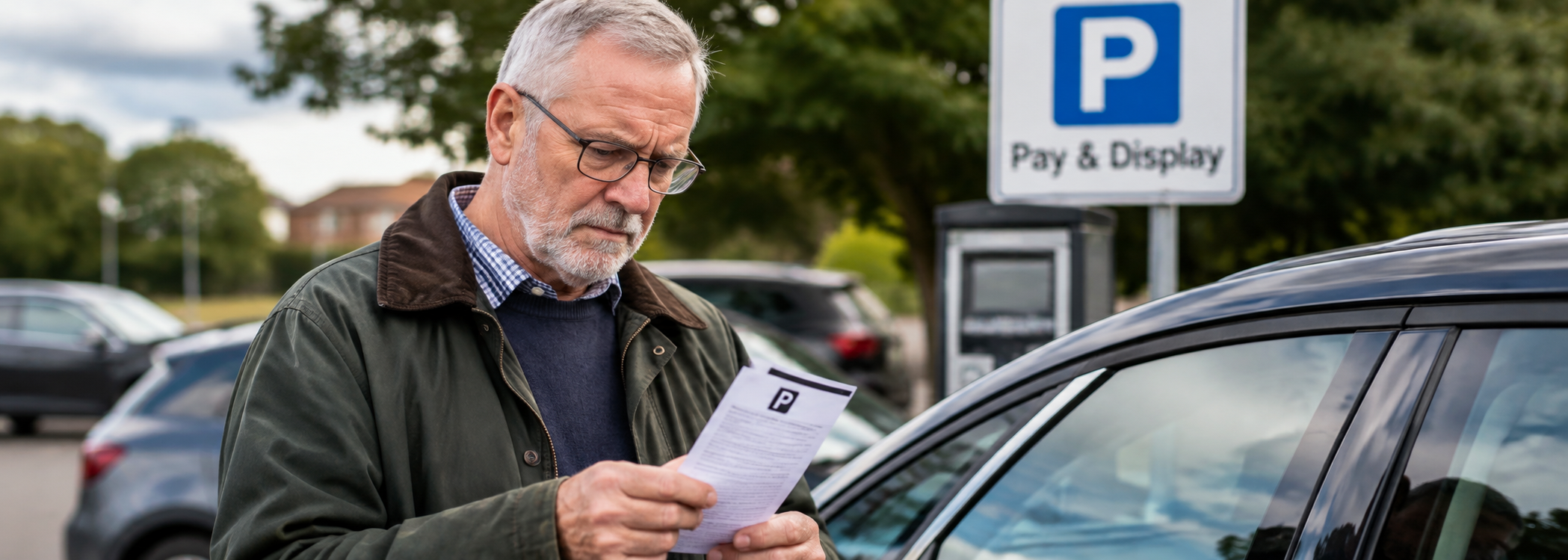
New Parking Rules for 2027: What Motorists Should Know
Most drivers have experienced the frustration of returning to their vehicle a few minutes late, worrying that a parking charge might be waiting for them.
Perhaps a shopping trip took longer than expected, a payment machine wasn't working, or you simply needed a little extra time to leave the car park. Whatever the reason, even a small mistake can sometimes result in an expensive charge.
Now, new Government measures are set to provide motorists with greater protection.
The Private Parking Code of Practice 2026 introduces clearer rules for privately operated car parks, including minimum grace periods, fairer treatment of genuine mistakes and stronger rights to challenge unfair charges.
With almost 17 million private parking charges issued across the UK in the previous year, according to Government figures published in October 2026, the reforms could have a significant impact.
Here's what you need to know about the changes and how they could affect your next journey.
Why Is the Government Changing Private Parking Rules?
Private parking operators play an important role in managing spaces at supermarkets, shopping centres, hotels and other privately owned locations.
However, concerns have been raised about inconsistent enforcement and drivers receiving substantial charges for relatively minor errors.
The Government's new Code aims to establish clearer national standards, ensuring motorists are treated more fairly while allowing parking companies to enforce legitimate restrictions.
The measures will apply across England, Scotland and Wales, introducing more consistent rules around parking conditions, payment, appeals and enforcement.
More Time to Read the Signs and Decide
Arriving at an unfamiliar car park can sometimes be confusing, particularly when signs are difficult to locate or payment instructions aren't immediately clear.
Under the new Code, motorists will generally have a minimum five-minute consideration period when entering a private car park.
This allows drivers to find a suitable space, read the parking terms and decide whether they wish to stay.
If the conditions aren't acceptable, motorists can leave within the permitted consideration period without automatically facing a parking charge.
Some larger car parks will need to offer longer consideration periods. For example, car parks with 500 or more spaces that provide at least 30 minutes of free parking will have a minimum ten-minute consideration period.
Certain pre-booked parking facilities may be exempt where customers have already received the terms and conditions when making their booking.
It's important to remember that the consideration period isn't additional free parking time. It allows drivers to decide whether to accept the parking conditions.
A Ten-Minute Grace Period Before Leaving
One of the most significant changes concerns drivers who overstay their permitted parking time by just a few minutes.
The new rules will generally require private parking operators to provide a minimum ten-minute grace period after a parking session ends.
For example, if your parking expires at 11.30am but you leave the car park at 11.38am, you shouldn't receive a charge for those additional eight minutes, provided you've complied with the other parking conditions.
This gives motorists a reasonable opportunity to return to their vehicle and leave without being penalised for a minor delay.
Although grace periods already form part of existing industry guidance, the Government intends to make the minimum requirements more consistent.
There are exceptions. Designated short-stay car parks offering parking periods of less than 30 minutes won't be required to provide the ten-minute grace period.
Motorists should also be aware that consideration periods and grace periods cannot automatically be added together to extend a parking session.
Greater Protection for Genuine Mistakes
It's surprisingly easy to enter the wrong registration number when paying for parking, particularly if you regularly drive more than one vehicle.
For owners of classic cars, everyday vehicles or other specialist vehicles, remembering which registration to enter can sometimes be a challenge.
The new Code introduces clearer protections where motorists have made certain genuine mistakes.
For example, if you've paid for parking but accidentally entered the registration number of another vehicle you own, the charge may be reduced to £20 following a successful first-stage appeal.
Other circumstances that may qualify for a reduced charge include:
Forgetting to display a valid parking permit when you can prove you held one.
Failing to enter your registration into a terminal despite being entitled to park.
Entering the registration of a different vehicle when purchasing parking.
For minor typing errors, such as confusing the letter O with the number 0, operators should cancel the charge on appeal where the relevant conditions are met and reliable evidence is provided.
These protections apply to specific circumstances outlined in the Code's Appeals Charter, rather than every parking mistake.
What Happens If Your Vehicle Breaks Down?
Sometimes, leaving a car park on time simply isn't possible.
A mechanical problem could prevent your vehicle from starting, a medical emergency might delay your return, or a payment machine could stop working.
The new Code provides additional safeguards for motorists affected by circumstances outside their control.
Where reliable evidence is provided, parking operators must cancel charges on appeal in certain qualifying situations, including:
A vehicle breakdown that prevents departure.
Certain medical emergencies or unavoidable medical delays.
Faulty payment machines where no reasonable alternative payment method is available.
Traffic congestion within the car park preventing vehicles from leaving.
Specific failures by the parking company to comply with the Code.
For drivers of classic or specialist vehicles, where unexpected mechanical difficulties can occasionally occur, these protections may provide valuable reassurance.
However, motorists should retain suitable evidence wherever possible to support an appeal.
Will Private Parking Charges Become Cheaper?
The new Code maintains the existing maximum private parking charge of £100.
Parking operators must also provide a minimum 40% discount when a charge is paid within 14 days of the notice being issued.
For example, a £100 parking charge would be reduced to £60 when paid within the qualifying period.
These limits don't mean that every parking charge is automatically justified. Drivers can still challenge a notice if they believe it has been issued incorrectly or unfairly.
Tougher Standards for Parking Companies
The reforms also introduce greater scrutiny of private parking operators.
A new independent Scrutiny and Oversight Board will review information about parking charges and appeals, helping identify areas where standards need improving.
Operators will also be expected to meet the Code's requirements to retain access to registered keeper information held by the DVLA.
Parking companies that fail to comply could lose access to this information, making it significantly harder to pursue unpaid charges.
The aim is to encourage fairer enforcement practices while maintaining effective management of private car parks.
When Will the New Rules Take Effect?
The Private Parking Code of Practice was laid before Parliament on 20 October 2026 and is currently undergoing a 40-day scrutiny period.
Subject to parliamentary approval, the Government expects to issue the Code on 30 November 2026.
It is then expected to come into force 21 calendar days later, giving a provisional implementation date of 21 December 2026.
However, transitional enforcement arrangements may apply to certain requirements, and further details have not yet been confirmed.
Until the new Code comes into force, drivers should continue following existing parking conditions and using the current appeals process where appropriate.
Private Parking Charges and Council Fines: What's the Difference?
Although both are commonly described as parking fines, private parking charges and council-issued penalties are not the same.
Private parking charges are generally issued by companies managing privately owned car parks, with enforcement based on the parking terms displayed at the location.
Council Penalty Charge Notices (PCNs) are issued under separate legislation and have different enforcement and appeals procedures.
The new Private Parking Code of Practice applies to private parking operators in England, Scotland and Wales, not ordinary council-managed parking enforcement.
Understanding who issued the charge is therefore an important first step when deciding whether and how to appeal.
How to Challenge an Unfair Private Parking Charge
If you receive a parking charge that you believe is unreasonable, it's important to check the circumstances before deciding what to do.
Check the details: Review the date, location, registration number and reason given for the charge.
Keep supporting evidence: Parking tickets, payment receipts, photographs of signs and relevant documents may help demonstrate why the charge should be cancelled or reduced.
Contact the parking operator: Submit an appeal explaining the circumstances clearly and include any supporting evidence.
Use an independent appeals service: If the operator rejects your appeal, you may be able to take the matter to an independent service.
Don't ignore the notice: Failing to respond could result in additional costs or legal proceedings, even if you believe the original charge was unfair.
Acting promptly and keeping clear records can make the appeals process easier.
A Welcome Change for UK Motorists
Whether you drive a modern family car, a cherished classic or a specialist vehicle, parking should be straightforward and fair.
While parking operators need appropriate rules to manage their facilities, motorists should also be protected against disproportionate charges for genuine mistakes and unavoidable delays.
The Government's new Private Parking Code of Practice aims to achieve that balance, introducing clearer standards and stronger rights for drivers.
For anyone who's ever worried about returning to their vehicle a few minutes late, the changes could offer some welcome peace of mind.
Sources and Further Reading
UK Government – New Protections Against Unfair Parking Charges, 19 October 2026
UK Government – Private Parking Code of Practice, 20 October 2026
UK Government – Response to the Private Parking Code of Practice Consultation
Information correct as of 16 November 2026. The Code is subject to parliamentary scrutiny, and transitional enforcement arrangements have yet to be confirmed.


