
How Rising Temperatures Could Affect Insurance |
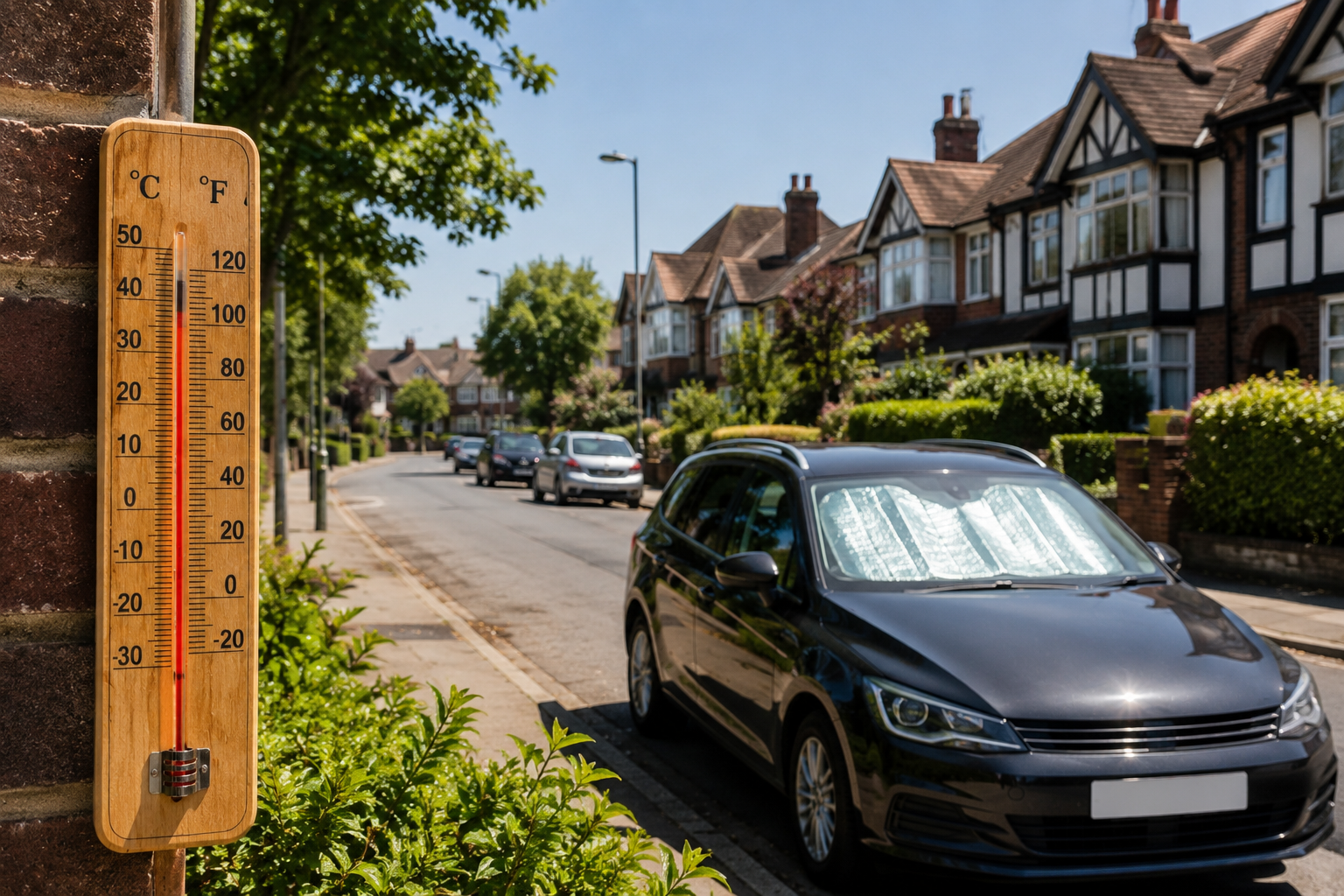
Could Hotter Summers Change the Way We Think About Insurance?
A spell of unusually hot weather often sparks conversations about Britain's unpredictable climate.
One week can bring soaring temperatures, while the next delivers heavy rain and thunderstorms. Yet as periods of extreme heat appear to be occurring more frequently, insurers are increasingly considering what a warmer climate could mean for the future.
When climate-related insurance claims are discussed, flooding usually receives the greatest attention. However, prolonged heat can also create a variety of risks that affect homes, vehicles, travel and the wider built environment.
Britain's Homes Weren't Designed for Prolonged Heat
Much of the UK's housing stock was constructed with cold winters in mind rather than Mediterranean-style summers.
Long spells of hot weather can place additional stress on building materials. Roof coverings may deteriorate more quickly, timber can dry and shift, while repeated expansion and contraction may gradually affect other parts of a property.
Extended dry conditions can also influence underground water systems and pipework through changes in ground movement.
Perhaps the best-known consequence is subsidence.
During prolonged dry periods, clay-rich soils lose moisture and contract, increasing the possibility of movement beneath a property's foundations.
Following the record-breaking temperatures experienced during the summer of 2022, the Association of British Insurers reported record levels of subsidence claims, highlighting the significant financial impact that extreme heat can have.
Vehicles Also Feel the Effects of High Temperatures
Modern vehicles are built to operate in demanding conditions, but persistent heat still places extra demands on many mechanical systems.
Tyres, cooling systems, batteries and air-conditioning units all work harder as temperatures rise. Road surfaces may also soften during prolonged hot weather, particularly where traffic volumes are high.
Electric vehicles introduce further considerations.
Although EVs generally cope well with higher temperatures, efficient battery cooling becomes increasingly important during periods of extreme heat.
Most of these issues relate to maintenance rather than insurance claims, but they can contribute indirectly to vehicle breakdowns, accidents and travel disruption.
The Impact on Travel
Travel insurance has traditionally focused on events such as illness, cancellations and lost luggage.
Increasingly, however, prolonged heat is becoming another factor that can disrupt holidays.
Wildfires across southern Europe, delays to transport services and temporary closures of tourist attractions have become more common during particularly hot summers.
Just as insurers have long accounted for storms and natural disasters, extreme heat is becoming another important consideration.
How the Insurance Industry Adapts
Insurance relies on understanding how risk changes over time.
As certain events become more frequent or more severe, insurers continually update their models to reflect new information.
That doesn't necessarily mean premiums will increase dramatically.
Modern insurers analyse extensive data to improve pricing accuracy and adapt products as circumstances evolve.
Nevertheless, long-term climate trends are now among the most closely monitored issues within the insurance industry.
Global reinsurers, which provide insurance to insurance companies themselves, have consistently highlighted climate-related risks as one of the sector's most significant long-term challenges.
What New Risks Could Emerge?
Changing weather patterns may also influence everyday life in ways that are only beginning to be understood.
Questions the industry is considering include:
Will prolonged heat encourage more people to work from home?
Could demand for air-conditioning and other home cooling systems continue to rise?
Might outdoor leisure activities become more popular, creating new liability considerations?
Will prolonged periods of hot weather place greater pressure on public infrastructure?
Although definitive answers are still emerging, insurers routinely analyse developing risks long before they become widely recognised.
Looking to the Future
No one can say with certainty what future British summers will look like.
Heatwaves, heavy rainfall and rapidly changing weather are all likely to remain part of the UK's climate.
What is becoming increasingly clear is that insurers, property owners and governments are paying far closer attention to the long-term impact of changing weather patterns.
Peter Best Insurance continues to monitor developments across the insurance market as environmental conditions evolve. Understanding how new risks emerge helps ensure insurance solutions continue to reflect the changing needs of homeowners, motorists and travellers alike.
While today's weather may dominate the headlines, it's the long-term trends that will shape how insurance develops in the years ahead.


