
Preparing Your Home for Winter 2026/27: Storms, Flooding and the El Niño Effect
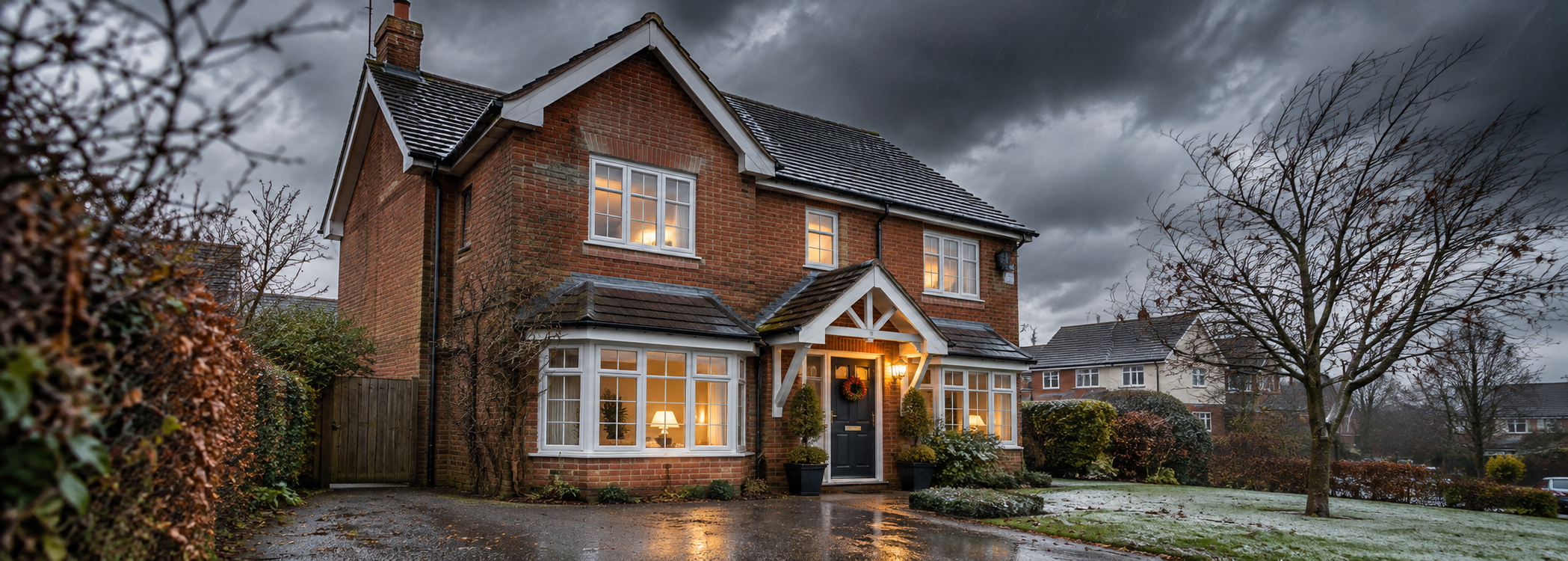
As autumn gives way to winter, homeowners across the UK face the familiar challenge of preparing their properties for colder temperatures, heavier rainfall and potentially damaging storms.
However, the winter of 2026/27 comes with an additional consideration: the influence of an exceptionally strong El Niño climate event.
The Met Office has indicated that this developing weather pattern could increase the likelihood of unsettled conditions across the UK, particularly during late autumn and the early part of winter.
While it is impossible to predict exactly how the coming months will unfold, the outlook serves as a useful reminder that protecting your home against the elements is an important part of seasonal maintenance.
A damaged roof tile, an overflowing gutter or an exposed water pipe might seem like a relatively minor concern. Yet when combined with heavy rainfall, strong winds or freezing temperatures, these vulnerabilities can result in substantial damage.
The financial implications should not be underestimated either. According to the Association of British Insurers (ABI), weather-related property insurance claims reached £1.2 billion during 2025.
Preparing your home ahead of winter could help you avoid unnecessary disruption and reduce the risk of expensive repairs.
Understanding El Niño and Its Potential Impact on British Winters
Although El Niño originates in the Pacific Ocean, its effects can influence weather patterns thousands of miles away.
It is a naturally occurring climate phenomenon associated with unusually warm sea surface temperatures across the central and eastern tropical Pacific.
These changes affect the movement of heat and moisture through the atmosphere, influencing weather systems in different regions of the world.
In September 2026, the Met Office reported that the developing El Niño had reached unprecedented strength, surpassing previous observational records.
Its seasonal outlook suggested that the likelihood of warmer and wetter conditions during autumn was approximately one-and-a-half to two times higher than would usually be expected.
There was also an indication that windy weather could become more likely later in the season.
Does El Niño Mean the UK Will Experience More Storms?
Not necessarily.
El Niño is associated with certain changes in weather patterns, but it does not guarantee that the UK will experience severe storms, flooding or prolonged periods of freezing weather.
Historically, El Niño events have sometimes been linked with milder, wetter and stormier conditions during late autumn and early winter.
However, the relationship is complex, and other atmospheric factors can significantly influence the weather experienced across the UK.
There can also be an increased possibility of colder spells during the second half of winter, depending on how atmospheric circulation develops.
For homeowners, the important point is that winter could bring a combination of weather-related challenges.
Periods of heavy rainfall may increase the risk of flooding or water penetration, while high winds can damage exposed parts of buildings.
Even if temperatures remain relatively mild for much of the season, sudden cold spells can still create problems with frozen or burst pipes.
Seasonal forecasts indicate the probability of certain conditions rather than predicting individual weather events.
It therefore makes sense to prepare for several possible scenarios rather than concentrating on one particular type of winter weather.
The Financial Impact of Severe Weather on UK Properties
Storms, floods and freezing temperatures can cause considerable disruption to households.
Beyond the immediate damage to a building, homeowners may face the cost of replacing possessions, arranging emergency repairs and, in serious cases, finding temporary accommodation.
The latest annual figures published by the Association of British Insurers demonstrate the scale of the problem.
During 2025, insurers paid £6.1 billion in property insurance claims, a record annual amount.
Of this total, £1.2 billion related specifically to weather-related property damage, representing an increase of 14% compared with 2024.
The figures also revealed significant costs associated with flooding and storms affecting residential properties:
£312 million was paid in domestic flood claims, an increase of 38% year on year.
£30,000 was the average payout for a domestic flood claim, representing a 60% increase compared with 2024.
£244 million was paid in claims relating to storm damage to homes.
£2,450 was the average domestic storm damage payout.
These amounts illustrate how quickly adverse weather can lead to significant financial consequences.
Although home insurance can provide valuable protection against insured events, it is not intended to replace routine property maintenance.
Taking sensible preventative measures may reduce the likelihood of damage occurring and help limit its severity when severe weather strikes.
Seven Practical Steps to Help Protect Your Property This Winter
1. Assess Your Roof Before Heavy Rain and High Winds Arrive
The roof is one of the most exposed parts of any property, making it particularly vulnerable during periods of severe weather.
Over time, roof tiles can become loose, flashing may deteriorate and small gaps can develop around roof joints or chimneys.
These problems may remain unnoticed during dry weather but become apparent when strong winds and persistent rainfall arrive.
Before winter conditions worsen, carry out a visual inspection of your roof from ground level.
Pay particular attention to:
Tiles or slates that appear cracked, slipped or missing.
Flashing around chimneys, skylights and roof junctions.
Visible damage to ridge tiles or roof edges.
Signs of deterioration around guttering and roofline fittings.
Damp patches, discoloured timber or water staining within the loft.
If you notice anything concerning, ask a suitably qualified roofing contractor to assess the problem.
Attempting to inspect or repair a roof yourself can be dangerous, particularly during wet or windy weather.
It's also worth remembering that damage which appears minor externally can sometimes allow water to enter insulation, ceilings or internal walls.
Arranging necessary repairs before severe weather develops could help prevent a more serious problem.
Home insurance consideration: Buildings insurance generally provides cover for damage resulting from specified insured events, which may include storms. However, repairing problems caused by gradual deterioration, wear and tear or poor maintenance is not normally covered.
2. Prevent Water Build-Up by Maintaining Gutters and Drainage
Heavy rainfall can put considerable pressure on the drainage systems around a property.
When gutters, downpipes or surface drains become blocked, rainwater may be unable to flow away as intended.
Instead, it can overflow onto external walls, accumulate around the base of the building or find its way into vulnerable areas.
Leaves, moss, silt and other debris can all contribute to drainage problems, particularly during autumn.
A few basic checks can help keep your property's drainage functioning effectively.
Inspect your gutters
Check for visible blockages, sagging sections or overflowing water during rainfall. Arrange for accumulated leaves and debris to be removed safely.
Examine downpipes
Make sure downpipes are securely connected and that water is being directed into the appropriate drainage system.
Clear external gullies
Remove leaves and other obvious obstructions from surface water drains and gullies around patios, paths and driveways.
Look for recurring standing water
If rainwater regularly collects near the property, investigate whether drainage improvements may be required.
Address known drainage defects
Damaged connections, persistent blockages and other existing problems should be assessed before prolonged wet weather increases pressure on the system.
Where gutters are difficult to reach or drainage problems require specialist attention, use a professional rather than attempting potentially hazardous work.
Regular maintenance may help prevent rainwater from causing avoidable damp or water penetration problems.
3. Find Out Whether Your Home Could Be Vulnerable to Flooding
Flooding is not limited to properties situated beside rivers or along the coast.
Periods of particularly intense rainfall can overwhelm drainage systems, causing surface water to accumulate in residential streets and gardens.
As a result, homes in locations that might not traditionally be considered flood-prone can still be affected.
Understanding the risk around your property is an important starting point.
In England, the Environment Agency provides a free online service that allows residents to explore the potential long-term flood risk in their area.
The Government's flood risk checker includes information about flooding from rivers, the sea and surface water.
It is important to understand that this provides an indication of flood risk, rather than predicting whether a particular home will flood.
You can also check current flood warnings and register for free notifications where available.
What Can You Do If Your Property Is at Risk?
If your area is vulnerable to flooding, consider how you could reduce the potential impact on your home and possessions.
Practical precautions include:
Moving important paperwork and irreplaceable belongings away from areas that could flood.
Keeping electrical items and other valuable possessions above potential floodwater levels where practical.
Understanding how to isolate your home's electricity, gas and water supplies safely.
Identifying suitable emergency exits and preparing a household emergency plan.
Considering appropriate flood protection products for vulnerable entrances.
It's also helpful to keep an eye on official weather warnings and flood alerts during periods of prolonged rainfall.
Having a plan in place before flooding becomes an immediate concern may make it easier to respond quickly and safely.
4. Reduce the Risk of Wind Damage Around Your Property
Strong winds can affect more than the main structure of a house.
Gardens, driveways and outdoor areas often contain items that can become dangerous when exposed to powerful gusts.
Loose furniture, unsecured bins, damaged fencing and weakened tree branches can all cause problems during stormy conditions.
Before a period of high winds, inspect the outside of your home and identify anything that could be blown over or dislodged.
Where possible, store lightweight garden furniture, toys, planters and other movable items in a secure location.
You should also examine:
Fences and gates: Check posts, panels, hinges and fixings for signs of weakness or deterioration.
Sheds and outbuildings: Inspect doors, roof coverings and other exposed components.
Trees and large shrubs: Look for damaged, dead or unstable branches, particularly where they overhang buildings or neighbouring property.
Outdoor equipment: Secure trampolines, bins, decorations and other items that could move during strong winds.
Trees requiring substantial work should be assessed by a suitably qualified tree surgeon.
Do not attempt to remove large branches yourself, especially when conditions are unsafe.
Are Fences and Garden Structures Covered by Home Insurance?
This depends on the policy and the circumstances of the damage.
Although home insurance may provide protection against certain types of storm damage, some outdoor structures and features can be excluded.
Fences and gates, for example, are frequently excluded from storm damage cover.
The level of protection for sheds, outbuildings and their contents can also vary.
Check your policy wording to understand which parts of your property are included and whether specific exclusions or limits apply.
5. Minimise the Chances of Frozen or Burst Pipes
Freezing temperatures remain a significant winter concern, even during seasons when milder weather is expected.
A short period of severe cold can be enough to cause exposed water pipes to freeze.
As water turns to ice, it expands, creating pressure within the pipework.
This can result in cracks or splits that may only become obvious once temperatures rise and the ice melts.
When water begins escaping from a damaged pipe, it can spread through ceilings, walls, floors and adjoining rooms.
The resulting disruption can be considerable, particularly if the damage occurs while nobody is at home.
Several preventative measures are worth considering before freezing temperatures arrive.
Insulate exposed pipework
Pipes located in lofts, garages, external areas or other unheated spaces are especially vulnerable. Suitable insulation can help protect them.
Check outside taps and water tanks
External taps and exposed water storage systems may need additional protection. Where appropriate, isolate and drain outdoor water supplies before freezing conditions.
Make sure your heating is working
Arrange maintenance or repairs if your heating system is not functioning properly. A reliable heating system can help maintain a suitable temperature throughout the property.
Locate the main water stopcock
Knowing where to turn off the water supply could significantly reduce damage if a pipe bursts.
Repair existing leaks
Small plumbing defects and dripping taps should be addressed rather than left to worsen during winter.
Although these measures cannot eliminate every risk, they may help reduce the chances of frozen pipes and the damage caused by escaping water.
6. Prepare Your Home Before Leaving It Empty
If you're planning to visit family over Christmas, spend New Year away or take an extended winter holiday, remember to prepare your home before travelling.
An empty property can be more vulnerable to certain problems because damage may remain undetected for longer.
For example, a leaking pipe or roof defect could cause extensive damage if nobody is present to identify the issue.
Before leaving, consider a few sensible precautions.
Maintain an appropriate temperature
Depending on the weather and the requirements of your insurance policy, it may be advisable to leave your heating operating at a low setting.
Consider isolating the water supply
Turning off the mains water may help reduce the consequences of a leak, provided it is safe and appropriate for your heating and plumbing systems.
Arrange occasional property checks
A trusted friend, relative or neighbour may be able to check for obvious issues while you're away.
Secure your property
Make sure external doors and windows are locked, remove any deliveries and consider using lighting timers.
Check your home insurance requirements
This is particularly important if your property will remain unoccupied for several weeks.
Insurance providers may impose additional conditions when a property is left empty, especially during colder months.
Depending on your policy, these requirements could include:
Maintaining a minimum indoor temperature.
Draining or isolating the water system.
Arranging regular inspections of the property.
Complying with limits on the number of consecutive days the home can remain unoccupied.
The precise conditions vary between policies, so always refer to your own insurance documents before leaving your property for an extended period.
It is also important to distinguish between a normally occupied home that is temporarily empty and a property requiring specialist unoccupied home insurance.
These can have different insurance arrangements and requirements.
7. Check That Your Home Insurance Still Meets Your Needs
Property maintenance is an important part of preparing for winter, but reviewing your insurance protection should also be on your checklist.
Standard buildings insurance commonly includes cover for certain types of damage caused by storms, flooding and escaping water.
However, the circumstances in which a claim is covered will depend on the terms, conditions, excesses and exclusions of the individual policy.
It is particularly important to understand the distinction between an unexpected insured event and damage resulting from gradual deterioration.
For example, if a storm causes sudden damage to an otherwise well-maintained roof, the resulting damage may fall within the policy's storm cover.
By contrast, a roof that has deteriorated over several years may require repairs that are considered routine maintenance rather than an insured loss.
Even where severe weather contributes to damage, the insurer will consider the cause and circumstances when assessing the claim.
Has Anything Changed Since You Purchased Your Policy?
Winter is also an opportunity to consider whether your existing buildings and contents insurance remains appropriate.
Think about any changes made to your property during the past year.
Have you extended the building or completed major renovations?
Have you made improvements that could affect the cost of rebuilding your home?
Have you purchased valuable furniture, electronics or other possessions that may increase the level of contents cover you need?
Has the way your property is used or occupied changed?
These factors could affect your insurance requirements, making it worthwhile to review your cover.
Different types of home insurance may also provide different levels of protection.
For example, standard residential buildings insurance, unoccupied property insurance and holiday let insurance can have substantially different terms and exclusions.
Cover for particular risks, including escape of water, may not be available under certain specialist policies.
Always review the documentation relating to your own policy to confirm what protection is included.
What Happens If Severe Weather Damages Your Home?
Despite taking precautions, homeowners cannot prevent every weather-related incident.
If your property suffers storm damage, flooding or a burst pipe, knowing what to do next may help minimise disruption.
Your first priority should always be safety.
Avoid entering areas where there may be structural damage or dangerous electrical conditions. If flooding has occurred, do not approach electrical equipment or attempt to restore power unless it is safe to do so.
Where possible, take reasonable steps to limit further damage without putting yourself at risk.
For example, you may be able to turn off the mains water supply following a burst pipe or arrange essential temporary repairs to prevent additional water entering the property.
You should also:
Photograph the damage before clearing or repairing affected areas, where it is safe to do so.
Keep receipts for necessary emergency work and related expenditure.
Make a record of damaged items and any relevant information about the incident.
Contact your insurer's claims team as soon as reasonably possible.
Follow the insurer's instructions regarding repairs, supporting evidence and next steps.
Your insurance documents should explain how to report a claim and provide the appropriate contact details.
If you have a policy arranged through Peter Best Insurance Services, refer to your Insurance Account or policy documentation to find the correct claims information.
Any claim will be considered in accordance with the terms, conditions and exclusions of your insurance policy.
A Well-Maintained Home Is Better Prepared for Winter
Nobody can control the weather, and even the most carefully maintained property can suffer damage during severe conditions.
However, identifying potential problems before winter arrives can make a meaningful difference.
Checking your roof, maintaining drainage, understanding flood risk, securing outdoor items and protecting vulnerable pipes are all practical ways to prepare your property.
It is equally important to understand the protection provided by your home insurance and ensure that the cover remains suitable for your circumstances.
While the unusually strong El Niño event could influence UK weather during winter 2026/27, its precise effects remain uncertain.
Preparing for a variety of conditions is therefore a sensible approach.
At Peter Best Insurance Services, we understand the importance of protecting your home and possessions.
Whether you're reviewing an existing policy or exploring your home insurance options, our team can help you find cover suited to your requirements.
Taking the time to prepare now could help you enjoy greater peace of mind throughout the winter months.
Sources and Further Reading
Met Office – Record-Breaking El Niño Surpasses Previous Benchmarks, 22 September 2026
Met Office – Does a Hot Summer Mean a Cold Winter?, October 2026
GOV.UK – Check the Long-Term Flood Risk for an Area in England
Weather information and insurance statistics are stated as of November 2026. Seasonal forecasts represent probabilities and do not guarantee particular weather events. Home insurance cover is subject to the applicable policy terms, conditions, limits and exclusions.


