
What are those things going bump in the night around your home?
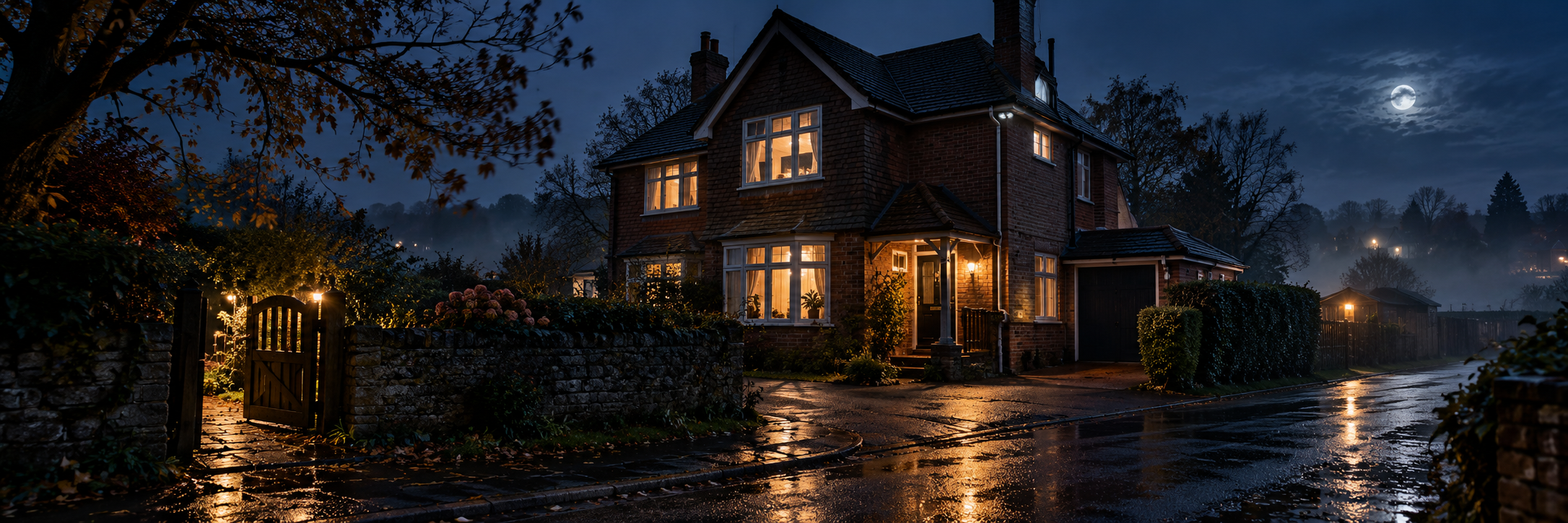
Every home makes noises.
Floorboards creak, radiators tick and pipes can clonk as the heating comes on. Most of the time, you become so familiar with the soundtrack of your own house that you barely notice it.
Halloween, however, has a habit of making every unexplained knock, scrape and scratch sound slightly more suspicious.
Fortunately, there is usually a much more ordinary explanation than something supernatural.
What matters is recognising when a familiar household noise has changed, or when a new sound appears alongside other warning signs.
Knocking pipes and clanking radiators
A sudden bang from the pipework can sound surprisingly dramatic in a quiet house.
Some ticking and clicking is normal as pipes and radiators warm up and cool down. More persistent knocking, a loud bang when a tap is turned off or an unfamiliar clatter from the boiler deserves a little more attention.
Try to establish when the noise happens.
Does it begin as the heating switches on? Is it linked to one particular tap? Does it stop when the boiler turns off?
Look for other changes too, such as dripping water, damp patches, rooms failing to heat properly or an unexpected change in boiler pressure.
Unusual banging or clunking from a boiler can have several causes, so the noise alone cannot tell you exactly what is wrong.
If it is new, persistent or getting louder, arrange for a qualified heating engineer or plumber to investigate.
Scratching above the ceiling or beneath the floor
Scratching in the loft after dark is exactly the sort of noise that can make you stop and listen.
Before blaming anything paranormal, check for rather more earthly visitors.
Repeated scratching, scuttling or gnawing noises can indicate rodents or other pests, particularly if they are more noticeable at night.
Signs can include droppings, gnawed materials or shredded nesting material.
Rats and mice can also damage pipes and electrical cables. The British Pest Control Association recommends checking for damage where there are signs of an infestation.
That does not mean every noise in the loft is caused by pests. Wind, birds or movement outside can all create sounds that travel through a property.
Repeated activity, however, is worth investigating.
Something rattling on the roof
On a windy October night, a loose object outside can sound as though it is directly above your head.
Branches can scrape against the house, gutters may rattle and loose tiles or slates can move in strong winds.
If a new rattling sound repeatedly appears during bad weather, inspect the roof from ground level once conditions are safe.
Loose tiles, damaged flashing or blocked gutters can all potentially allow water into the property.
Do not climb onto the roof or attempt repairs during a storm.
Sometimes the first clear indication of a problem will appear indoors instead. Look out for new marks on ceilings, damp insulation or water appearing somewhere it should not be.
Dripping in an otherwise silent house
Few noises stand out quite like a slow drip when everything else is quiet.
Start with the obvious possibilities.
Check taps, visible pipes and the toilet cistern.
If you cannot find the source and the sound seems to be coming from behind a wall or beneath the floor, look for signs such as staining, dampness or an unusual musty smell.
A hidden leak is something to have checked rather than ignored.
It is also useful to know where your home's internal stop tap is located.
Water UK recommends knowing how to turn off the water supply so you can act quickly if a pipe leaks or bursts.
Buzzing or crackling from a socket
This is one noise that should not be dismissed as part of your home's normal soundtrack.
If a plug, socket or electrical fitting starts buzzing or crackling, stop using it.
Other warning signs can include overheating, scorch marks or repeated tripping.
Electrical Safety First advises that these signs can indicate an electrical problem and should be checked by a qualified electrician.
A mysterious sound at Halloween may be entertaining.
A crackling electrical socket is not.
A bump from the garden or outside the house
Sometimes the thing going bump in the night really is outside.
Wind can move bins, gates, plant pots and garden furniture, while branches can strike walls and windows.
If you hear something unfamiliar, check that doors and windows are secure from somewhere safe inside the property.
If you genuinely believe somebody may be attempting to enter your home, do not go outside to investigate.
Switch on lights and contact the police if you feel threatened or believe a crime may be taking place.
When is a strange noise worth investigating?
The best comparison is often with your own home.
Does it always make that noise?
A familiar click from the heating with no other symptoms may simply be part of the way your property behaves.
A noise that has suddenly appeared, changed or become more frequent deserves closer attention, particularly if it is accompanied by water, unusual heat, burning smells, visible damage or repeated movement.
The sound itself may not provide the answer.
The other clues around it often will.
Regular maintenance can help prevent a small household problem becoming a larger repair.
Home insurance may provide cover for damage caused by certain sudden events, but policies differ. Damage resulting from wear and tear, poor maintenance or a problem that has developed gradually may not be covered.
So, if something goes bump in the night this Halloween, there is probably no need to call a ghost hunter.
But it might be worth checking the pipes, roof or loft.
Happy Halloween!


